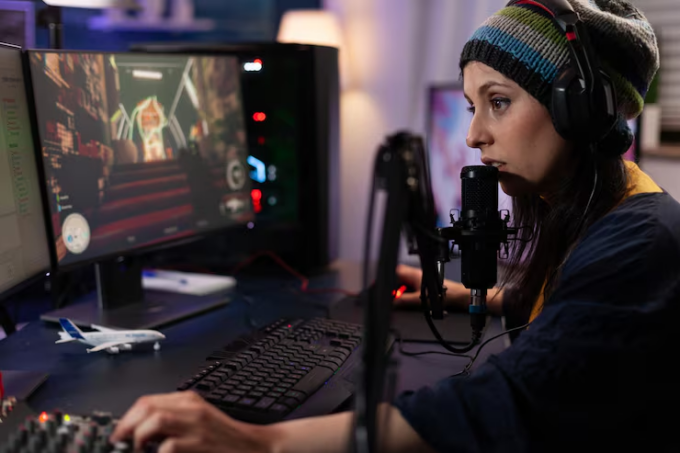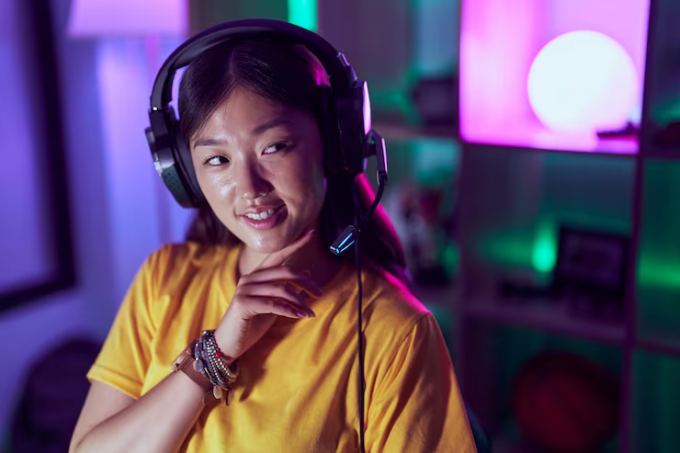
In the competitive world of live streaming, “Reach” is easy to buy, but “Loyalty” must be earned. Many streamers in the United States focus on high-energy gameplay or viral clips, but the ones who survive for years are those who transition from being an entertainer to becoming a community leader. For this streamer, the secret wasn’t just in the “Live” button; it was in the invisible infrastructure they built around their brand.
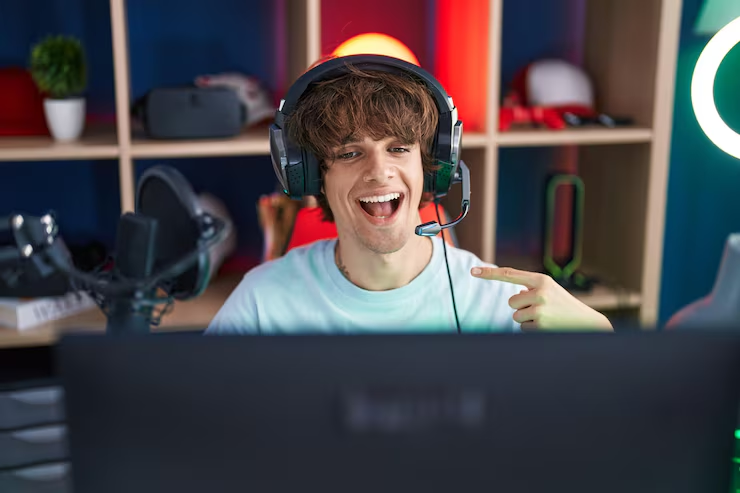
A loyal community is not just a group of viewers; it is a self-sustaining ecosystem where members interact with each other as much as they do with the creator.
Implementing the “Acknowledgment Protocol”
This streamer mastered the art of “Micro-Interactions.” In a fast-moving chat, they didn’t just thank people for donations; they remembered small details about their regular viewers. They would ask about a viewer’s exams or a job interview mentioned days prior.
In marketing, this is known as Personalization at Scale. By making the viewer feel like an individual rather than a statistic, the streamer created an emotional “Switching Cost.” Viewers stay loyal because they feel seen and valued in that specific space, something they won’t get from a massive celebrity stream.
Cultivating a Unique “Meta-Culture”
Every loyal community has its own language. This creator intentionally fostered “Inside Jokes,” custom emotes, and specific “Rituals” that occur at certain points in the stream (e.g., a specific song when winning or a “Fail” emote when losing).
This culture acts as a filter. Newcomers who take the time to learn the language feel a sense of “Achievement,” and long-term members feel a sense of “Ownership.” This “Tribal Identity” is what keeps a community intact even when the streamer isn’t playing a popular game.
The “Off-Stream” Engagement Strategy
The most critical part of the strategy happened when the “Live” light was off. The streamer treated Discord not as a support forum, but as a 24/7 digital hangout. They participated in text chats, shared behind-the-scenes photos, and hosted “Community Nights” where they played low-stakes games with fans.
By maintaining a presence off-platform, they stayed “Top of Mind” for their audience. In the attention economy, if you are only relevant when you are live, you are vulnerable. By building a community on Discord, they ensured that their brand survived even during breaks or vacations.
Empowering “Community Pillars” (Moderators)
This streamer didn’t just hire moderators to ban trolls; they empowered them to be “Community Ambassadors.” Moderators were encouraged to welcome new viewers, answer FAQs, and facilitate conversations among viewers.
This decentralization of the “Host” role is vital. When the community feels like they are responsible for the vibe of the room, they become protective of it. This self-policing culture reduces toxicity and makes the environment more welcoming for brand sponsorships, which prioritize “Brand Safety.”
Radical Transparency and Shared Goals
The streamer often shared their career goals with the audience—whether it was reaching a sub goal to upgrade their PC or aiming for a specific partnership. They made these goals “Community Milestones.”
When the goal was reached, the celebration wasn’t just for the streamer; it was a win for the entire community. This shared sense of purpose drives high Conversion Rates for subscriptions and donations. The audience isn’t just “paying for content”; they are “investing in a shared journey.”
A Reflective Conclusion
A loyal community is the ultimate “Moat” in the creator economy. It protects a streamer from algorithm changes, platform shifts, and temporary dips in popularity. This creator’s journey shows that while skill gets people to watch, character and community are what get them to stay.
Building loyalty is a slow process that requires extreme consistency and a genuine interest in people. In the end, the most successful streamers are those who realize that the people in the chat are more important than the game on the screen.
AI Insight: People generally notice that as an online space grows, the sense of belonging is often maintained not by the size of the crowd, but by the depth of individual interactions between members.