Before the bright lights of professional arenas and the weight of championship rings, the foundations of greatness are often laid in quiet, unassuming settings. For many, the journey to becoming an icon in the NBA begins long before a scouting report is ever written.
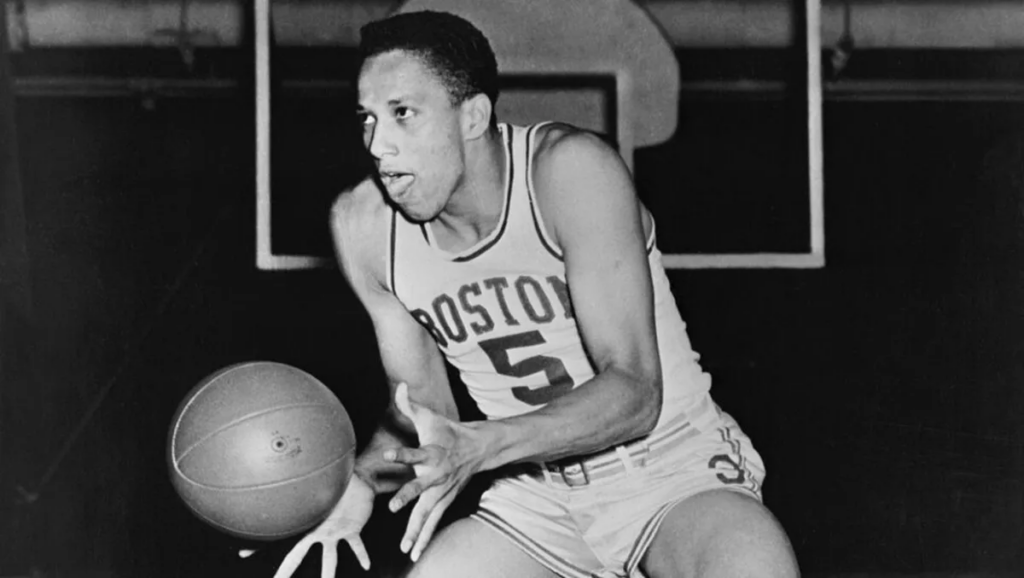
The transition from a promising youth to a basketball legend is rarely a straight line. It is a sequence of specific environments, family influences, and early competitive experiences that slowly refine raw talent into a disciplined craft.
A Foundation Built on Routine
In the earliest stages of development, the daily routine serves as the primary architect of future success. While peers might see basketball as a recreational activity, those destined for the professional stage often approach it with a different level of consistency.
This consistency usually starts in driveways, local parks, or community centers. It is here that the basic mechanics of the game—the repeatable motion of a jump shot or the rhythm of a dribble—become second nature through thousands of hours of repetition.
These early years are defined by a singular focus. For a young athlete, the court becomes a laboratory where they can test their physical limits and develop a spatial awareness that will eventually allow them to navigate the complex defenses of the NBA.
The Influence of Early Mentors
No athlete reaches the pinnacle of their sport in isolation. The early years are often marked by the presence of a stabilizer—a coach, a parent, or an older sibling—who provides the necessary structure to channel high energy into productive skill-building.
These mentors often emphasize fundamentals over flair. In many legendary stories, the turning point isn’t a spectacular play, but rather a lesson in resilience or a correction in footwork that stayed with the player for decades.
It is during this phase that the athlete learns the value of the “unseen hours.” They begin to understand that the work done when no one is watching is what ultimately determines the performance during the final minutes of a televised game.
Navigating High School Competition
As the athlete moves into the high school circuit, the stakes begin to shift. The transition from local standout to a prospect of interest requires more than just physical prowess; it requires an ability to adapt to increasing levels of scrutiny and pressure.
High school competition serves as the first real test of a player’s temperament. Facing opponents who are equally determined, a future legend begins to differentiate themselves through their decision-making and their ability to remain composed in high-leverage situations.
Recruiters and scouts often look for these intangibles. While height and speed are measurable, the internal drive to improve and the capacity to lead a team are the qualities that suggest a player is capable of handling the rigors of a professional career.
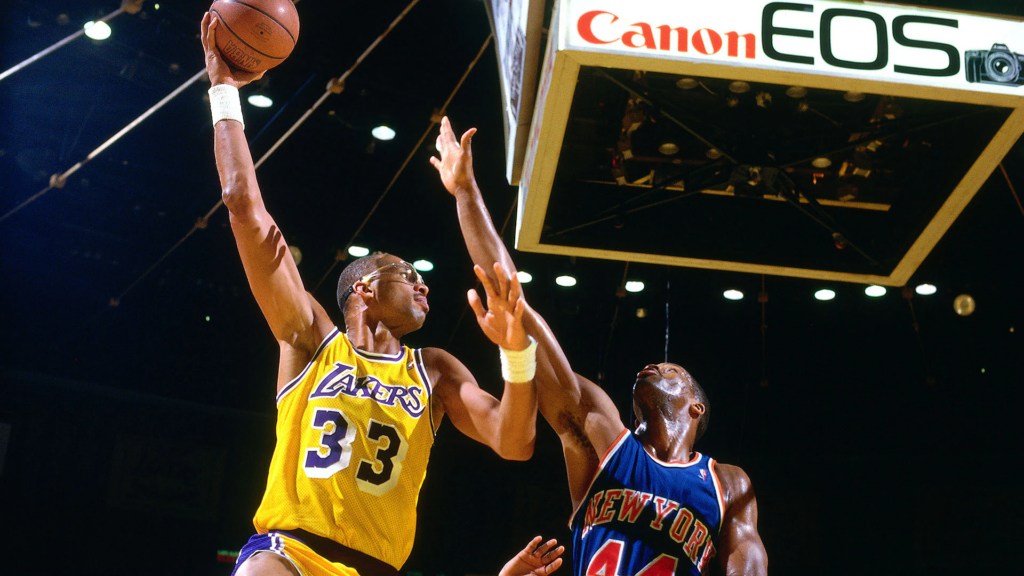
The Turning Point Toward Professionalism
There is often a specific moment in a young player’s life when the prospect of playing in the NBA shifts from a dream to a realistic objective. This turning point usually coincides with a significant physical growth spurt or a dominant performance in a national tournament.
Once this shift occurs, the approach to the game becomes more calculated. Nutrition, strength training, and film study are introduced into the daily regimen, marking the end of the “early years” and the beginning of a pre-professional era.
This transition period is critical. It is when the athlete must balance their natural instincts with the tactical demands of high-level basketball, learning how to fit into a system while still maintaining the individual brilliance that caught people’s attention in the first place.
The Role of Adversity in Growth
Growth is seldom without setbacks. Early injuries, benchings, or losses in championship games provide the necessary friction to harden an athlete’s resolve. These moments of adversity are essential components of the legend’s narrative.
How a young player responds to these challenges often predicts their longevity in the league. Those who view setbacks as data points for improvement rather than failures tend to develop the psychological toughness required to survive the long, grueling NBA seasons.
Reflecting on these formative years, it becomes clear that the legend seen on the court today is the result of a long, deliberate process. The accolades are simply the public acknowledgment of a foundation that was completed years prior in the shadows of anonymity.
AI Insight
The trajectory of a professional career is often rooted in the early alignment of consistent discipline and a supportive environment during formative years.