A Game That Spoke Quietly
In an era filled with highlight reels and constant motion, this player’s style did not announce itself. It revealed itself gradually.
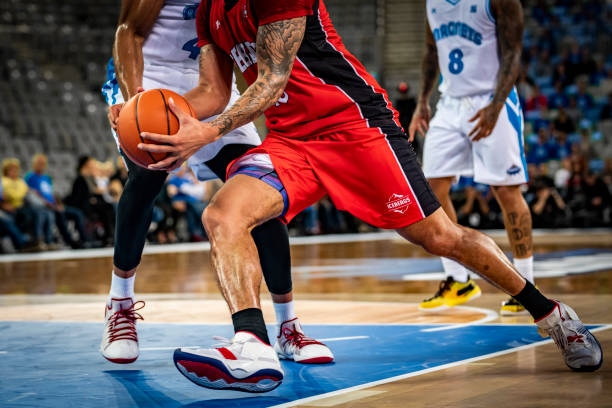
Early observers often struggled to describe it in simple terms. He did not overwhelm opponents with speed. He did not rely on long-range shooting. His movements appeared measured, sometimes even slow.
Yet possessions ended in his favor.
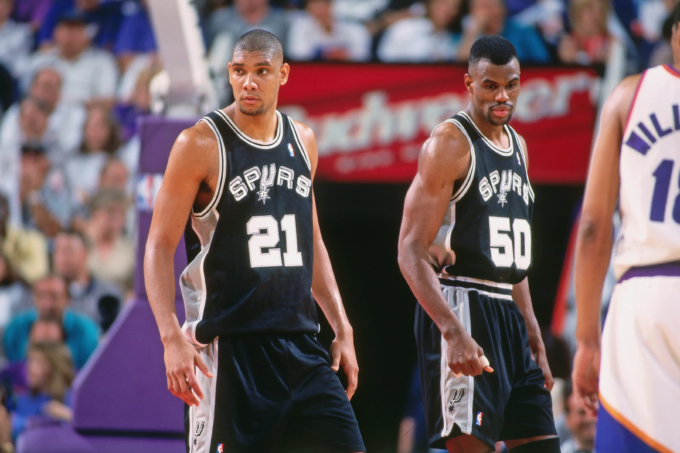
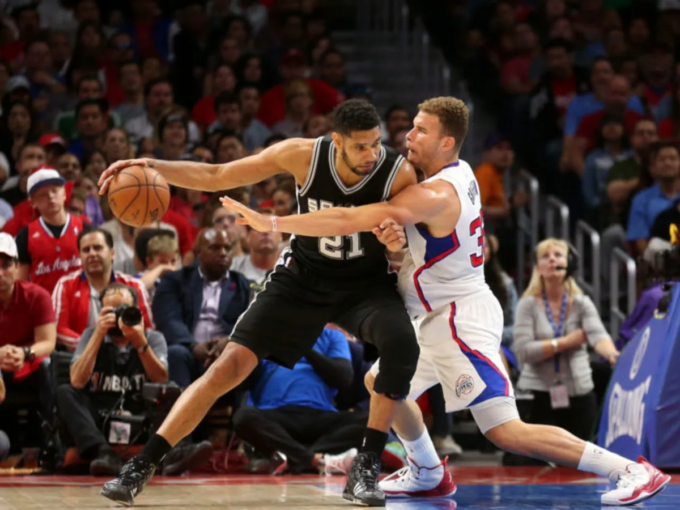
His game unfolded in small spaces—near the rim, along the baseline, at the edge of the paint. There, timing mattered more than force. Balance mattered more than spectacle.
What defined his style was not a single move. It was how he combined control with restraint.
Foundations in Fundamentals
From the beginning, his approach centered on fundamentals.
Footwork became his primary language. Each step served a purpose. He learned to pivot without wasting motion. He positioned himself before defenders could react.
In the post, he did not rush. He felt the defender’s weight, waited for shifts, then adjusted. Shots came from angles that appeared routine but were difficult to contest.
Coaches often pointed to his base. Knees bent. Shoulders aligned. Movements grounded.
The result was consistency.
While others relied on rhythm or momentum, he relied on structure. Even on nights when shots fell unevenly, his mechanics remained intact.
His game did not depend on timing windows. It depended on preparation.
Efficiency Over Volume
Statistically, his scoring rarely dominated leaderboards. He did not chase shot attempts.
Instead, he selected moments.
If a teammate had position, he passed. If the defense collapsed, he rotated. If space appeared, he acted.
This created a pattern: high impact with moderate usage.
Defenses struggled because his decisions aligned with the flow of the game. There was little excess. Possessions rarely stalled.
The ball did not stop with him. It passed through him.
Over time, this made his teams predictable in the best way. They became stable. Each possession carried direction.
Defensive Presence Without Noise
On defense, his influence appeared less visible than that of shot-blockers or perimeter stoppers.
He did not chase blocks. He anticipated angles.
Positioning became his primary tool. He closed gaps before they formed. He stood in passing lanes. He forced adjustments without contact.
Opponents often changed shots rather than losing them.
Teammates trusted his presence. Guards funneled drives toward him. Wings stayed tighter on shooters.
Defense became collective, anchored by his reliability.
He did not require rotation to recover. He was already there.
Adaptation Across Eras
As the league evolved, so did expectations.
Spacing increased. Pace accelerated. Shooting extended outward.
Rather than resist, he adjusted.
He added range. He learned to defend in space. He reduced isolation play in favor of movement.
The core remained the same: balance, timing, economy.
But the expression changed.
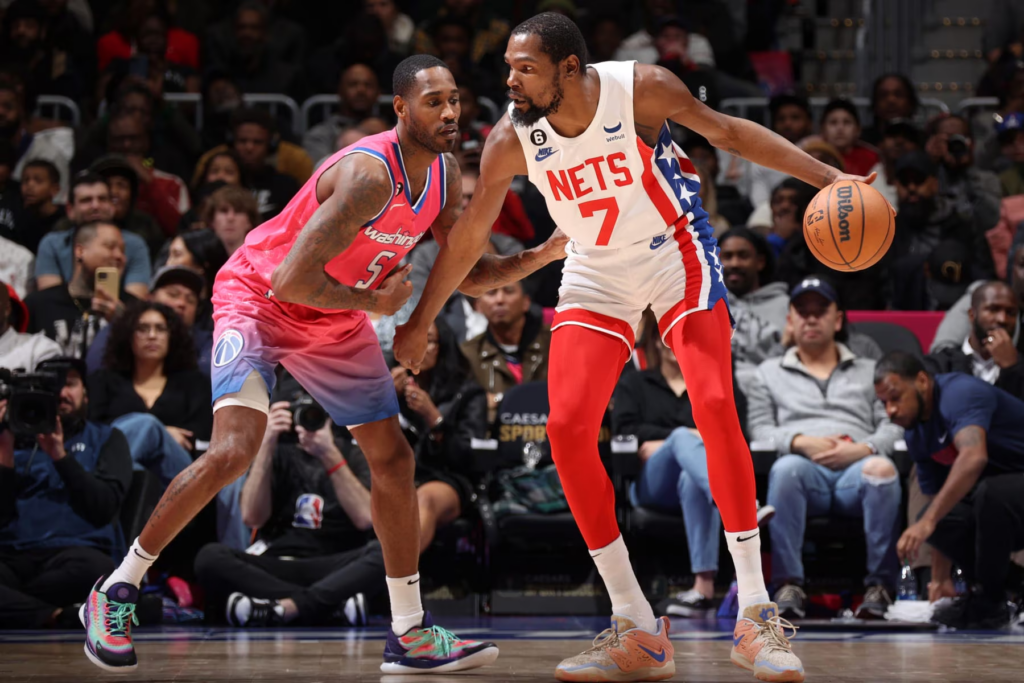
In later seasons, he spent more time facilitating than finishing. Screens replaced post-ups. Reads replaced power moves.
He became connective tissue.
Where earlier he had been a destination, he became a transition point.
The style expanded without abandoning its foundation.
Rhythm Without Urgency
One of the most distinctive elements of his game was tempo.
He rarely matched the speed of others. He set his own.
Possessions slowed when he touched the ball. Teammates repositioned. Defenders recalibrated.
This was not delay. It was control.
He created windows by pausing.
In close games, this rhythm proved valuable. While others accelerated under pressure, he remained unchanged.
The game did not speed him up.
This allowed teams to reset during moments of instability. His presence functioned as a stabilizer.
A Style Built on Trust
Because his game was predictable in form but flexible in outcome, teammates adjusted easily.
They knew where he would be. They knew how he would react.
This created trust.
Guards cut without hesitation. Shooters spaced confidently. Bigs coordinated on defense.
The style extended beyond individual play. It shaped how the entire team operated.
Ball movement increased. Turnovers decreased. Rotations became cleaner.
His playing style became environmental.
It did not require instruction. It taught through repetition.
Influence Without Imitation
Few players attempted to replicate his game directly.
The style did not translate easily into highlight packages. It demanded patience.
Young players often preferred more visible methods.
Yet many coaches referenced him when discussing fundamentals.
They showed clips of his positioning. His angles. His restraint.
They used his possessions to demonstrate economy.
His style became educational rather than aspirational.
It illustrated how efficiency could replace excess.
What Remained Consistent
Across seasons, teammates, and systems, certain elements did not change:
- Movements remained compact.
- Decisions remained measured.
- Errors remained rare.
- Reactions remained calm.
The game never became hurried.
Even during decline, these traits remained intact.
Minutes decreased. Roles shifted. But the style persisted.
It had become internal.
How the Style Defined the Career
Looking back, the career does not divide into eras by skill changes.
It divides by context.
Early years emphasized scoring. Middle years balanced both ends. Later years emphasized connection.
The same foundation supported each phase.
This continuity allowed the career to extend.
Rather than reinvent, he refined.
Rather than escalate, he stabilized.
In a league defined by peaks, his presence formed a plateau.
The style did not demand attention.
It earned it.
The court reflected that difference.
Games did not revolve around him.
They aligned around him.
AI Insight: Over time, people tend to notice that some playing styles leave an impression not because they stand out, but because everything around them begins to feel more orderly.