The Kidnapping That Shattered a Sense of Safety
On the night of March 1, 1932, the infant son of aviator Charles Lindbergh was taken from his nursery in New Jersey. Lindbergh was not just a famous pilot—he was a national symbol, celebrated for his solo flight across the Atlantic.
The crime felt impossible.
A ladder was found outside the home.
A ransom note lay on the windowsill.
The crib was empty.
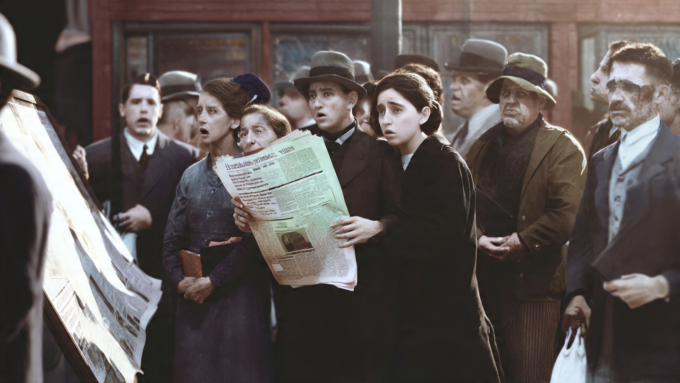
Within hours, the story dominated newspapers across the country.
If this could happen to the most admired family in America, it could happen to anyone.
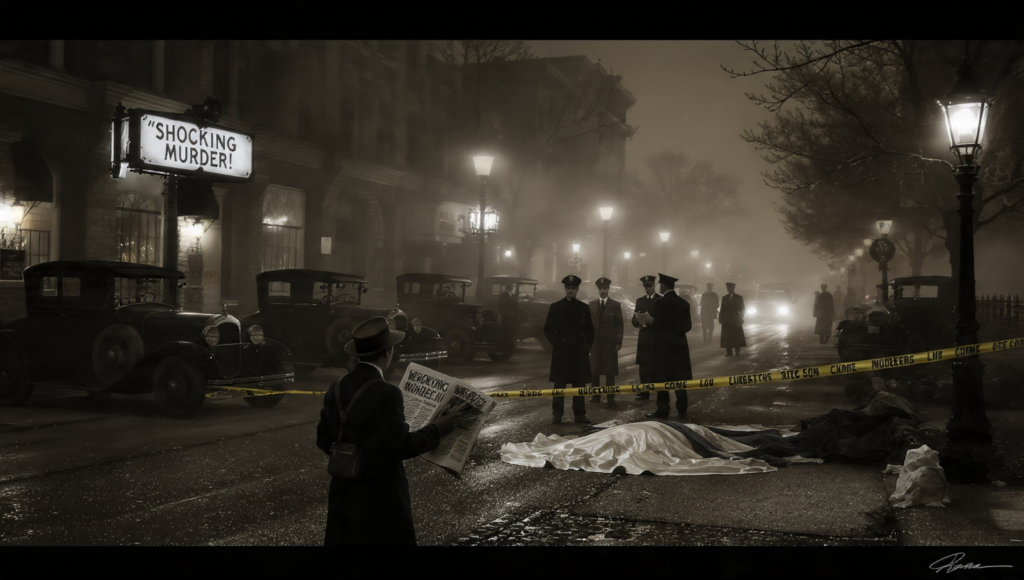
A Nation Watches in Real Time
The case became one of the first true media spectacles.
Updates were printed daily.
Ransom negotiations were public.
Every clue became headline.
Strangers mailed theories.
Psychics offered insight.
Criminals falsely confessed.
The search unfolded in front of the public, creating a sense of shared urgency—and shared helplessness.
Two months later, the child’s body was found in nearby woods.
The country grieved collectively.
The event shifted how Americans perceived crime.
It no longer felt distant.
It felt intimate.
Fear Enters the Home
Before the Lindbergh kidnapping, violent crime was often imagined as something that happened in cities, in shadows, to unknown people.
This crime entered a nursery.
It crossed class.
It crossed status.
It crossed myth.
The home, long viewed as a protected space, became vulnerable.
Parents across the nation began locking doors differently.
Windows were checked.
Night routines changed.
The sense of security that fame and wealth once implied quietly dissolved.
The Trial That Followed
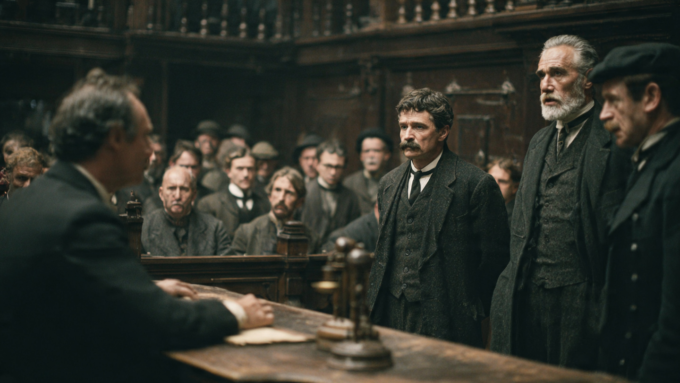
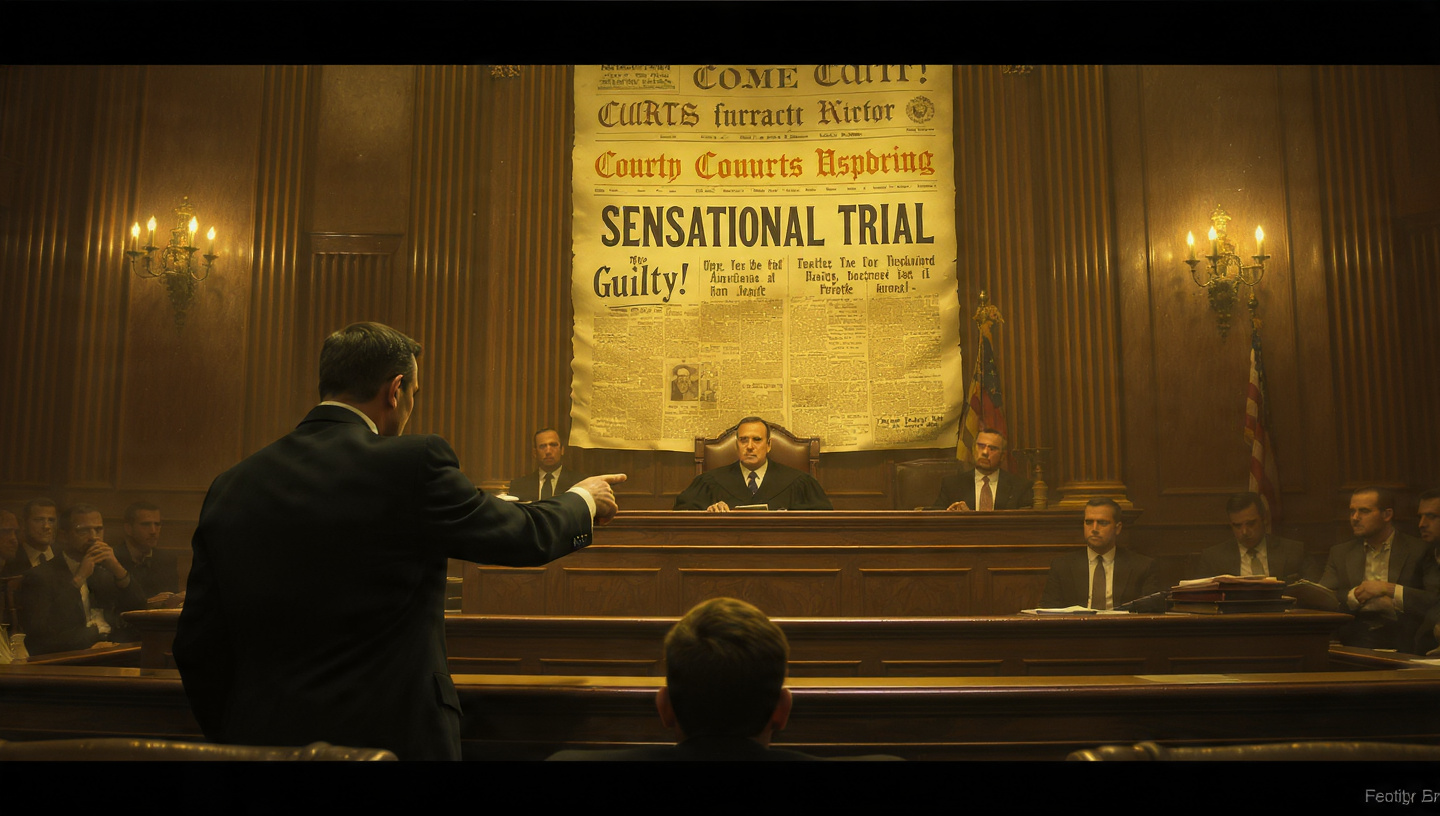
Years later, Bruno Hauptmann was arrested, tried, and executed for the crime. The trial was followed obsessively. Courtrooms filled. Radio broadcasts carried testimony.
Even with a verdict, questions lingered.
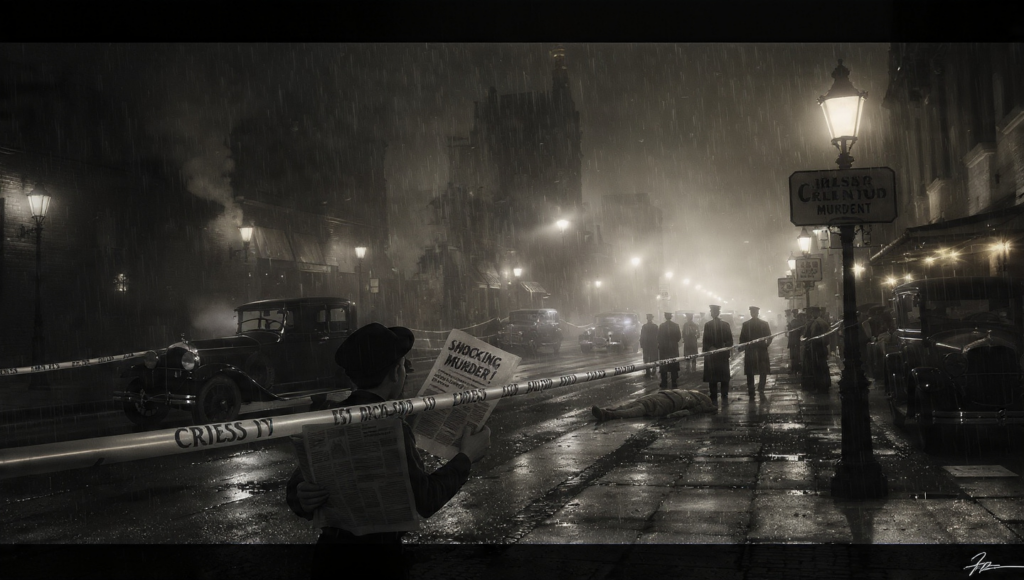
Some believed justice was served.
Others doubted the evidence.
What mattered most was not certainty.
It was transformation.
The public had learned to live with the idea that danger could arrive without warning.
How It Changed the Culture
The Lindbergh case reshaped law enforcement and media.
It led to the creation of federal kidnapping laws.
It expanded the role of the FBI.
It altered how crimes were reported and consumed.
More importantly, it changed perception.
Crime was no longer abstract.
It was personal.
It was possible.
The story marked a shift from distant headlines to shared vulnerability.
The public did not simply witness a tragedy.
They absorbed it.
Why It Still Matters
The Lindbergh kidnapping remains a reference point because it represents a turning moment—when innocence in public imagination gave way to awareness.
It taught a generation that notoriety offers no shield.
That walls are not guarantees.
That even the most admired can be reached.
From that moment forward, crime was no longer something that happened elsewhere.
It could happen here.
AI Insight: Over time, people tend to notice that certain crimes endure not because of what was taken, but because of how deeply they changed the way safety itself is imagined.