A House Full of Holiday Calm
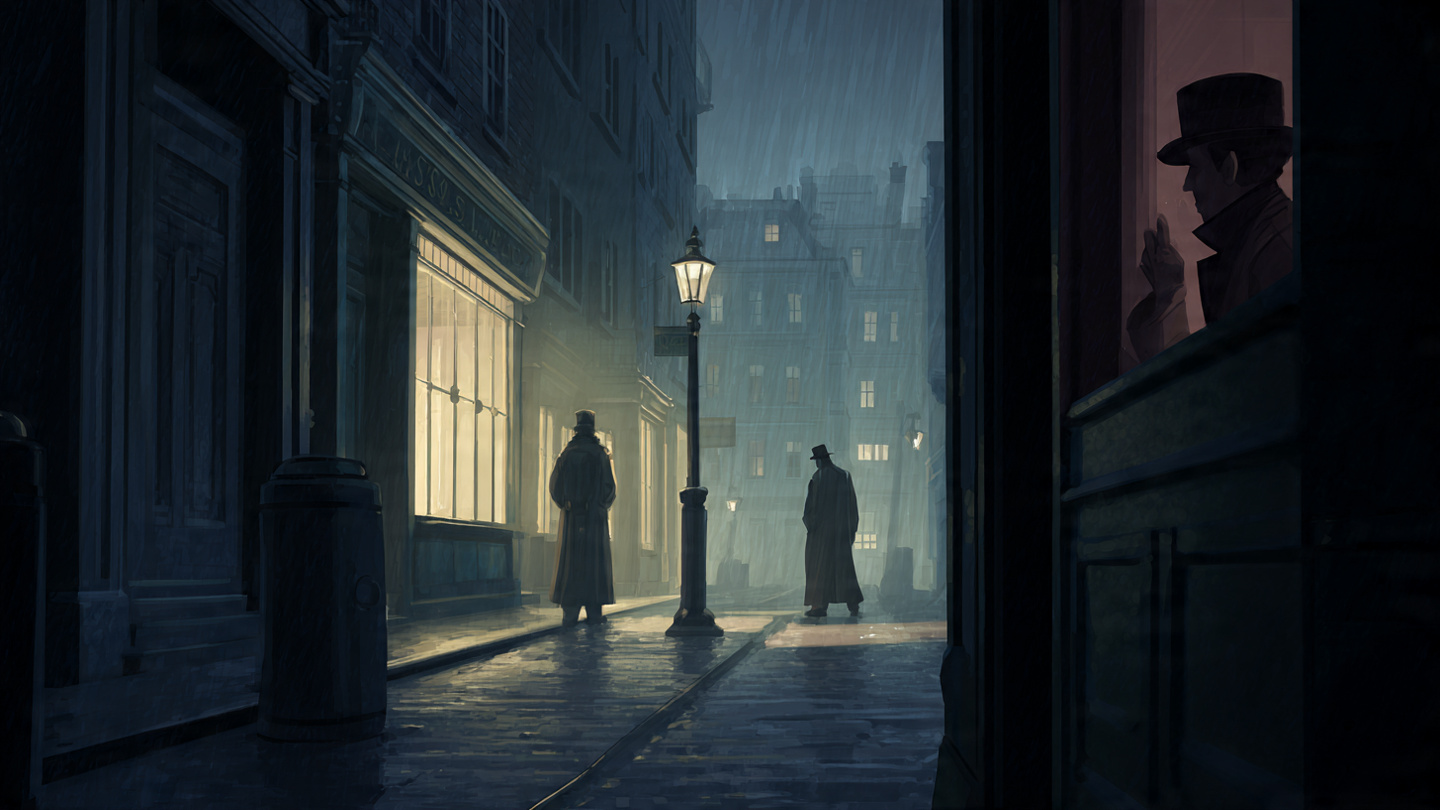
On December 25, 1996, the Ramsey household in Boulder, Colorado, was winding down after Christmas celebrations. JonBenét Ramsey, six years old, had spent the evening with her family at a friend’s home. She fell asleep in the car on the way back.
Inside the house, everything appeared ordinary.
Presents sat unopened.
Lights still glowed.
The night felt routine.
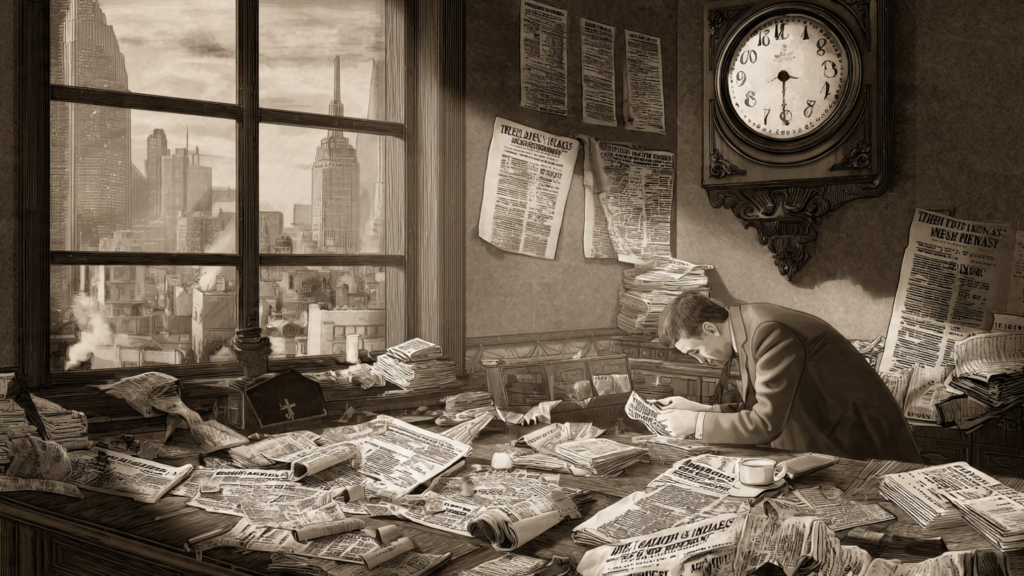
Her parents, John and Patsy Ramsey, put JonBenét to bed and retired for the evening. Nothing in those final hours suggested that the house would soon become one of the most famous crime scenes in America.
The Morning That Changed Everything
Early the next morning, Patsy Ramsey went downstairs and found a handwritten note on the back staircase.
It was a ransom letter.
It claimed JonBenét had been taken.
It demanded $118,000.
It warned against contacting police.
The tone was strange.
The length was unusual.
The message felt personal.
Patsy called 911.
Within minutes, officers arrived.
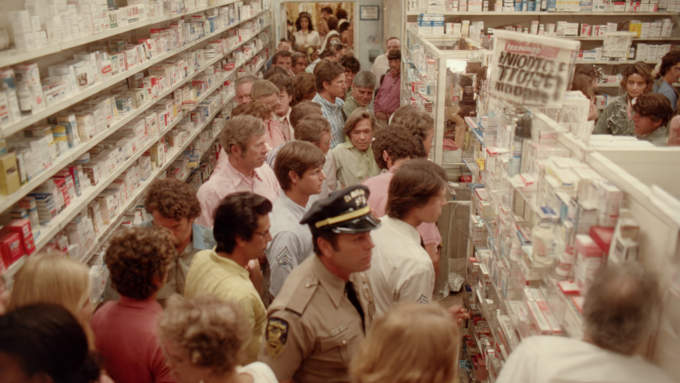
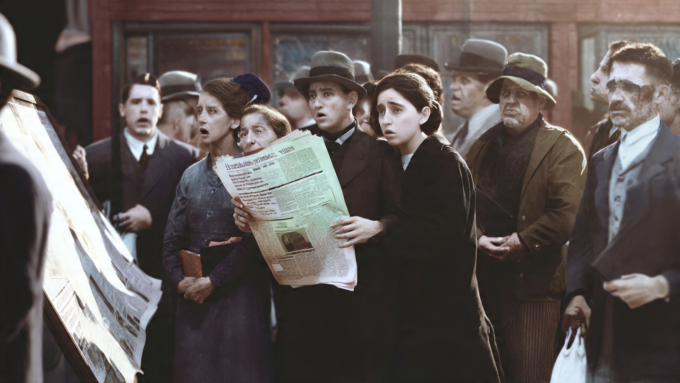
What followed was confusion rather than coordination. The home was not sealed immediately. Friends were called over for support. People moved through rooms. Surfaces were touched. Normal routines continued inside a space that should have frozen.
JonBenét was still in the house.
A Search Without Direction
Police conducted a light search, assuming the child had been abducted. Hours passed. The ransom call never came.
Later that morning, John Ramsey was asked to look through the house “from top to bottom.” He opened a door in the basement.
Inside a small storage room, he found his daughter.
She had been killed.
The discovery transformed the situation instantly. What had been treated as a kidnapping became a homicide—inside the family home.
But by then, the environment had already been altered.
Footprints overlapped.
Items had been moved.
The scene was compromised.
Why the Lead-Up Matters
The mystery surrounding JonBenét’s death is shaped as much by what happened before the crime was understood as by the crime itself.
- A ransom note written inside the home
- A delayed realization that no abduction had occurred
- A house filled with people before it was secured
- A father discovering the body during an informal search
Each step blurred the timeline.
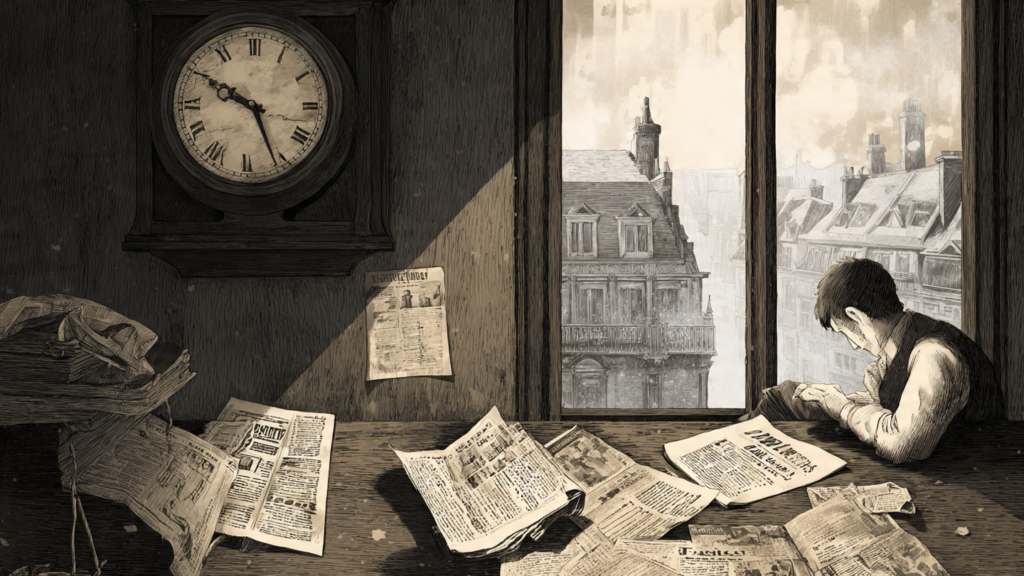
Each action complicated evidence.
The early hours set the tone for everything that followed—conflicting theories, unresolved questions, and decades of debate.
The crime did not begin in the basement.
It began with a normal night that ended without warning.
The Unfinished Shape of the Story
No arrest has ever been made.
Was it an intruder?
Was it someone inside the home?
Was the note a misdirection?
Was the scene altered beyond recovery?
Every theory begins with those first hours.
With a house that did not yet know it was a crime scene.
With a family waking into uncertainty.
The tragedy is not only what happened.
It is how quietly it began.
AI Insight: Over time, people tend to notice that in unresolved crimes, the earliest moments often matter most, because confusion at the beginning can echo through every answer that never arrives.