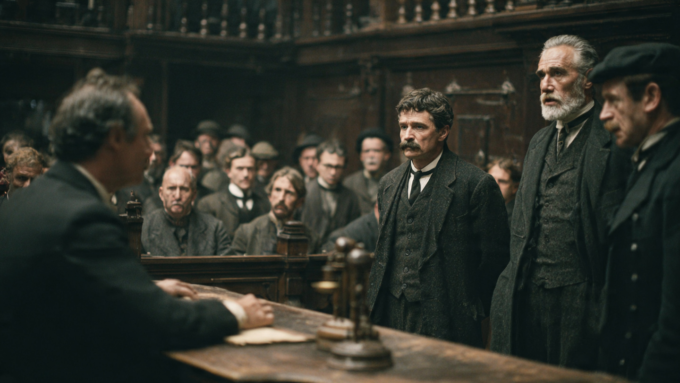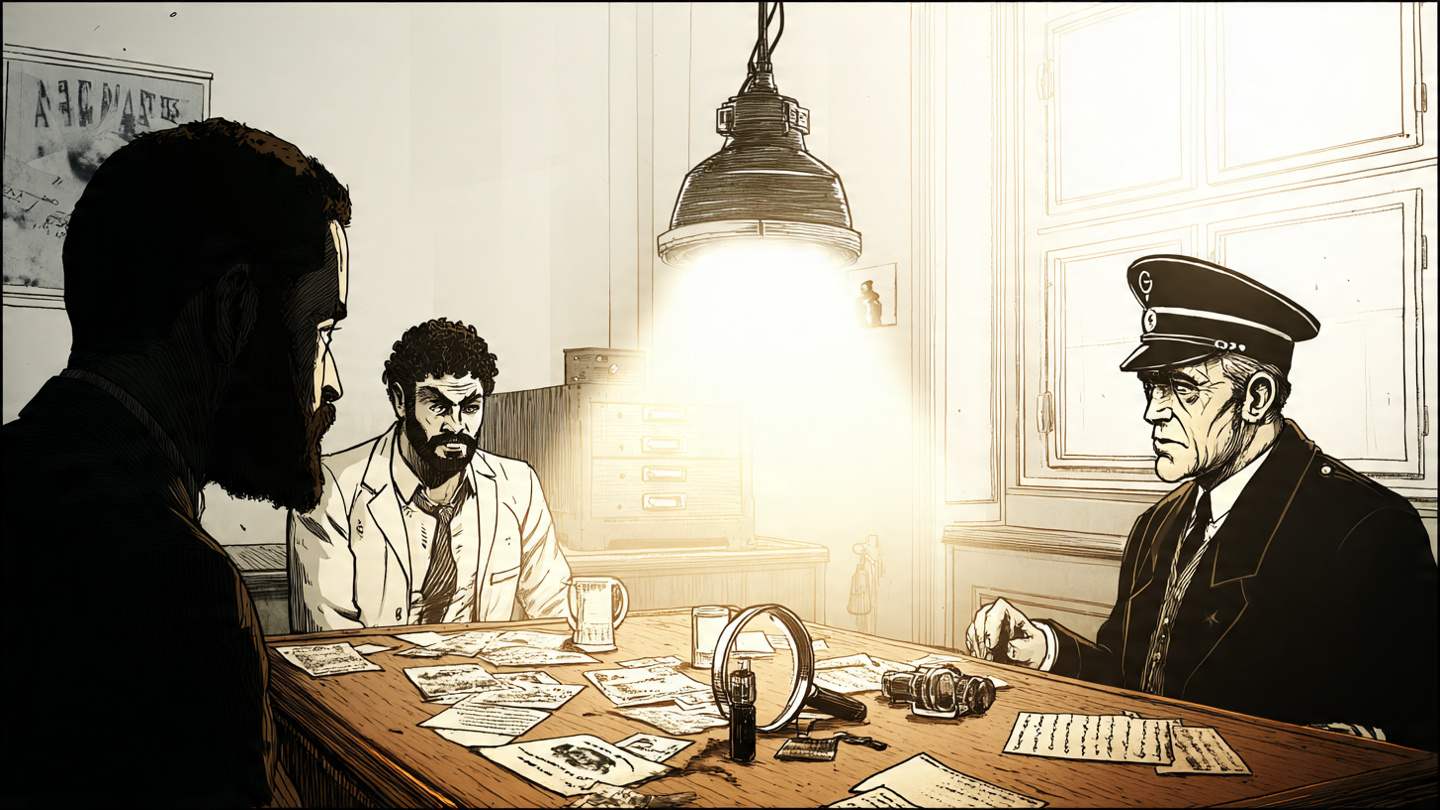
An Emergency Treated as a Kidnapping
When police arrived at the Ramsey home on the morning of December 26, 1996, they believed they were responding to a child abduction. The handwritten ransom note shaped every early decision.
Officers did not immediately seal the house as a homicide scene.
Friends were allowed inside for support.
Rooms were entered and re-entered.
Objects were touched and moved.
The assumption of kidnapping delayed the protocols typically used in a murder investigation.
By the time the truth emerged, the environment had already changed.
A Discovery That Altered Direction
Several hours after police arrived, John Ramsey was asked to search the house more thoroughly. In a small basement room, he found JonBenét’s body.
The investigation pivoted instantly.

What had been treated as an external crime now appeared internal. Yet the house had already been traversed by multiple people. Potential evidence was disturbed. Footprints overlapped. Fibers mixed.
The crime scene could not be restored.
This early confusion shaped everything that followed.
Evidence Under Scrutiny
Investigators collected:
- The ransom note
- Handwriting samples
- Fibers from clothing and rooms
- DNA from the victim
- Items from the basement
The note became central. It was unusually long, written on paper from inside the home, using a pen from the house. Its tone referenced movies and included details personal to the family.
Handwriting experts disagreed.
Some saw similarities to Patsy Ramsey.
Others could not conclude authorship.
Physical evidence also resisted clarity.
DNA samples were partial.
Fibers could be explained multiple ways.
Injuries raised conflicting interpretations.
Nothing aligned cleanly.
A Public Investigation
From the beginning, the case unfolded under intense media pressure.
Details leaked.
Theories spread.
The family became subjects of suspicion.
The Ramseys hired attorneys and declined immediate police interviews, following legal advice. This decision deepened public doubt, even as no charges were filed.
Investigators found themselves balancing evidence, public narrative, and institutional scrutiny.
The case became as much about interpretation as fact.
Shifting Theories
Over time, two dominant frameworks emerged:
- An intruder entered the home
- Someone inside the house was responsible
Each piece of evidence could be read in both directions.
The ransom note suggested staging.
The basement location suggested secrecy.
The lack of forced entry suggested familiarity.
The partial DNA suggested an outsider.
No theory closed the loop.

The Limits of the Moment
Forensic methods in the mid-1990s were advancing but incomplete. DNA analysis lacked the resolution it has today. Scene contamination reduced clarity. Early procedural missteps could not be undone.
As years passed:
- Witness memories faded
- Physical evidence aged
- Public narratives hardened
The investigation continued in phases, but the earliest hours remained decisive.
What was lost then could not be recovered later.
Why the Case Remains Open
The JonBenét Ramsey case remains unresolved not because nothing was done, but because the investigation began in uncertainty.
A kidnapping became a homicide.
A home became a crime scene too late.
Evidence became ambiguous.
The case is remembered not for absence of effort, but for how early confusion shaped every conclusion that followed.
AI Insight: Over time, people tend to notice that in unresolved cases, the first assumptions often matter more than any later discovery, because they quietly determine what can no longer be known.