A Series of Murders Without a Name
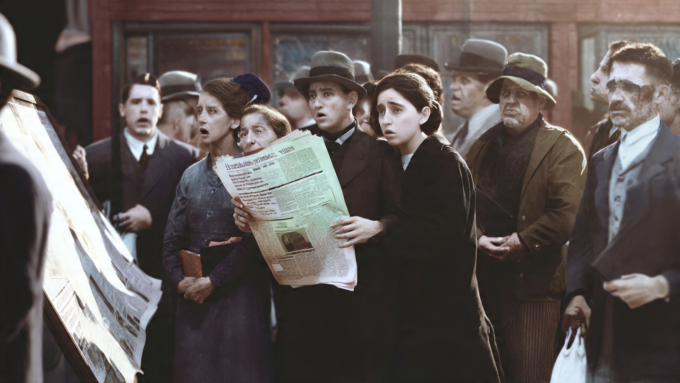
In the autumn of 1888, a killer stalked the Whitechapel district of London. Over a span of just a few months, five women—Mary Ann Nichols, Annie Chapman, Elizabeth Stride, Catherine Eddowes, and Mary Jane Kelly—were murdered in ways that shocked the city.
The press gave the unknown attacker a name that would outlive the century:
Jack the Ripper.
The crimes were brutal and precise. Each victim was attacked at night. Each showed signs of targeted mutilation. The pattern suggested intent rather than chaos.
Yet no suspect was ever charged.
The Evidence That Survived
What remains today is fragmentary:
- Witness statements that often conflict
- Police reports shaped by Victorian-era methods
- Letters sent to newspapers, some likely hoaxes
- Crime scene descriptions recorded before modern forensics
There were no fingerprints.
No DNA.
No reliable surveillance.
Investigators relied on patrols, informants, and intuition.
The environment worked against them. Whitechapel was crowded, dark, and transient. People moved frequently. Identities blurred. Records were incomplete.
The killer used that invisibility.
The Suspects Without Proof
Over time, historians and researchers proposed dozens of suspects:
Doctors.
Butchers.
Artists.
Aristocrats.
Immigrants.
Royal affiliates.
Some fit parts of the profile.
None satisfied all of it.
Each theory explains a fragment and leaves gaps.
There is no confession.
No confirmed weapon.
No verified identity.
The case remains a structure without a center.
Why It Still Matters
Jack the Ripper endures not because of gore, but because of absence.
The crimes were witnessed by a city.
The killer was not.
The case became a template for modern mystery—an unknown figure, a defined pattern, and no resolution.
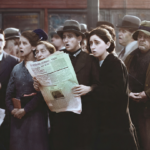
It also marked a turning point in how crime was reported. Sensational coverage created public fascination. Fear and curiosity intertwined.
For the first time, a criminal became myth while still active.
What We Actually Know
We know:
- The victims were real people
- The attacks followed a recognizable pattern
- The killer operated within a specific place and time
- Authorities never identified him
Everything else is inference.
The Ripper exists not as a person, but as an outline.
A shadow shaped by records, rumor, and imagination.
The Shape of an Unanswered Past
Most historical crimes fade as evidence disappears.
This one endures because it never resolved.
There is no ending.
Only a pause.
A city that moved on.
A killer who did not.
A question that still walks the streets of memory.
AI Insight: Over time, people tend to notice that some historical mysteries persist not because they are complex, but because they end without a final name to contain them.