A Familiar Face in an Unfamiliar Role
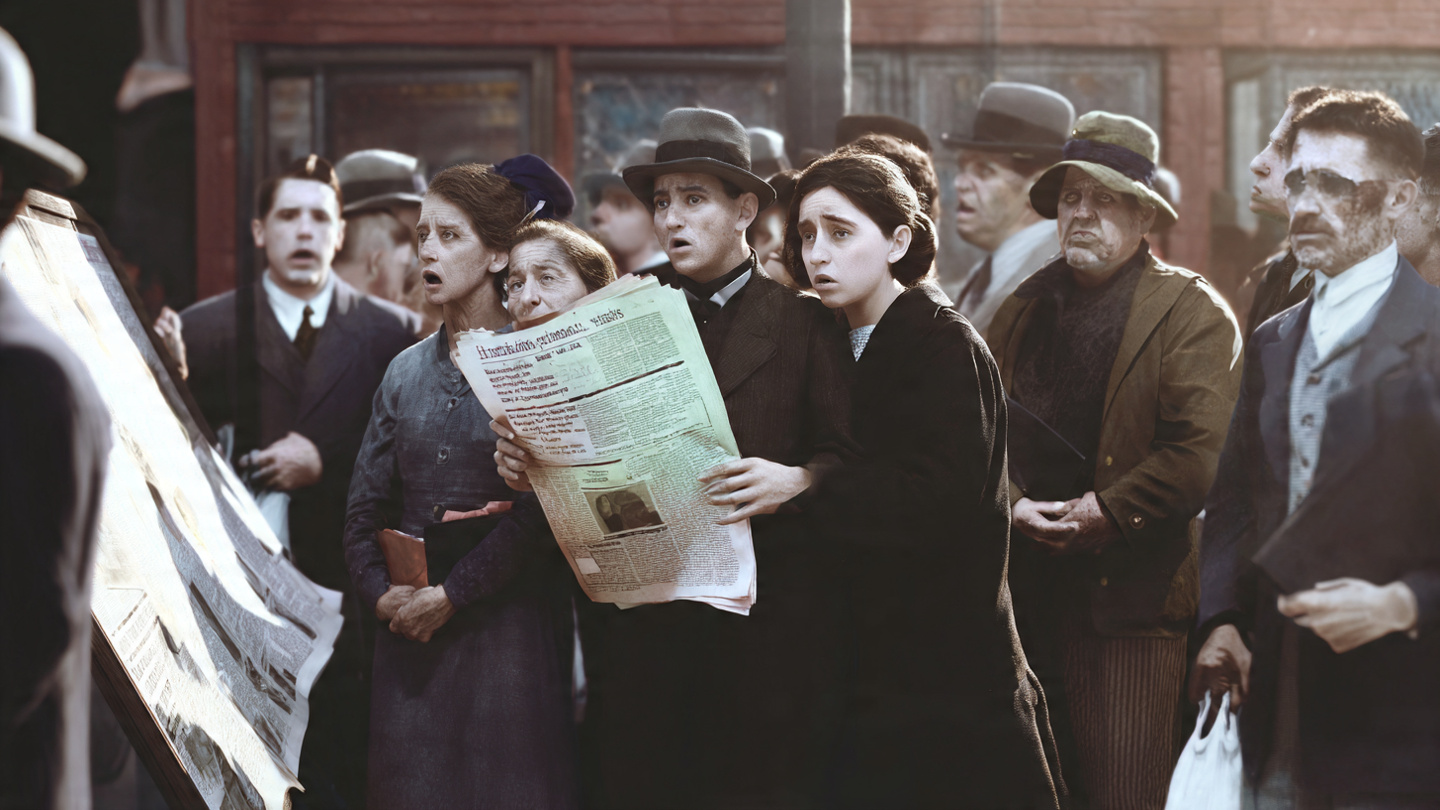
When O. J. Simpson was named a suspect in the 1994 murders of Nicole Brown Simpson and Ronald Goldman, the news felt unreal. Simpson was not an obscure figure. He was a celebrated athlete, a television personality, and a symbol of success.
He belonged to living rooms.
He represented achievement.
The idea that someone so publicly known could be connected to such a violent crime disrupted the boundary between celebrity and danger.
It suggested that fame did not insulate reality.
The Moment That Changed Everything
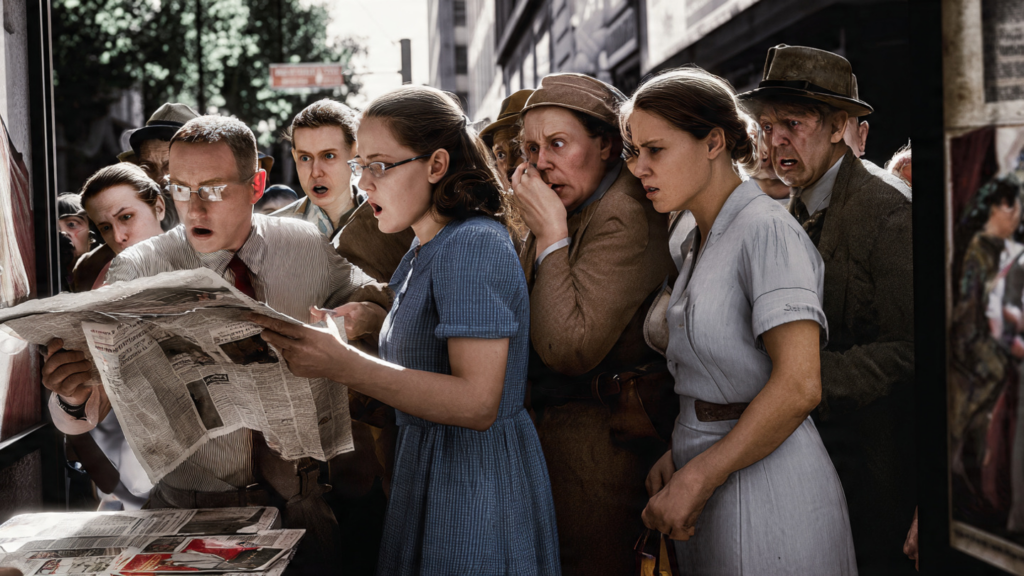
The shock intensified on June 17, 1994, when Simpson failed to surrender and instead became the subject of a slow-speed police chase broadcast live across the nation.
Millions watched.
Highways emptied.
Televisions stayed on.
Normal routines paused.
A white Bronco became a national image.
Crime was no longer distant.
It was unfolding in real time.
The pursuit transformed the case from investigation into spectacle.
The public was no longer observing after the fact.
They were watching it happen.
Violence Against the Familiar
The victims were not anonymous.
Nicole Brown Simpson had appeared in media coverage for years. Her life had been visible through proximity to fame.
The crime did not feel abstract.
It felt personal.
Domestic violence, once treated as private, entered public conversation. The case forced attention onto patterns many had ignored.
It reframed what danger looked like.
Not hidden.
Not unknown.
But close.
A Trial That Divided Perception
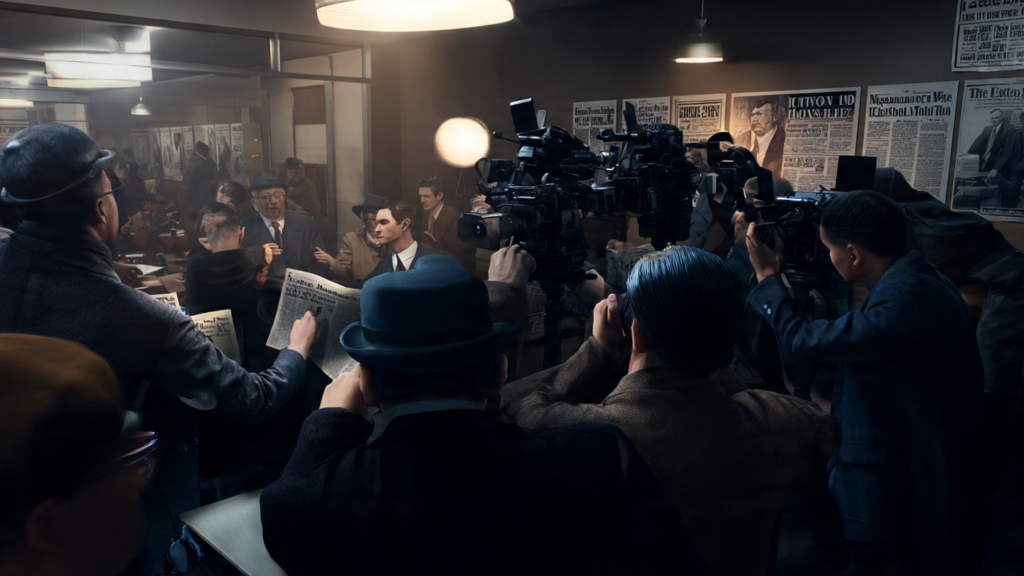
The courtroom became a stage.
Evidence was televised.
Arguments were debated publicly.
Every gesture was interpreted.
The trial revealed how differently people could experience the same facts.
It exposed divides around race, trust in institutions, and interpretation of evidence.
The verdict did not end the shock.
It redistributed it.
Some felt relief.
Others felt disbelief.
The case became less about guilt and more about how truth is perceived.
Why It Endured
This crime shocked the public because it crossed multiple boundaries at once:
- Between celebrity and crime
- Between private violence and public view
- Between investigation and entertainment
- Between fact and interpretation
It changed how crime was consumed.
It blurred the line between news and narrative.
It showed that tragedy could be continuous.
Not something discovered.
Something watched.
What It Left Behind
After the Simpson case, crime coverage evolved.
Live broadcasts became normal.
Trials became series.
Audiences became participants.
The shock did not fade.
It reorganized attention.
Crime was no longer only reported.
It was experienced.
AI Insight: Over time, people tend to notice that the crimes which shock most deeply are the ones that collapse the distance between “them” and “us,” making danger feel suddenly familiar.