A Foundation Built Before the Spotlight
Long before the league noticed him, discipline had already become routine.
His early years were structured by schedules rather than competition. Swimming, not basketball, first introduced him to repetition—early mornings, measured laps, quiet focus. When circumstances redirected him toward the court, that same structure followed.
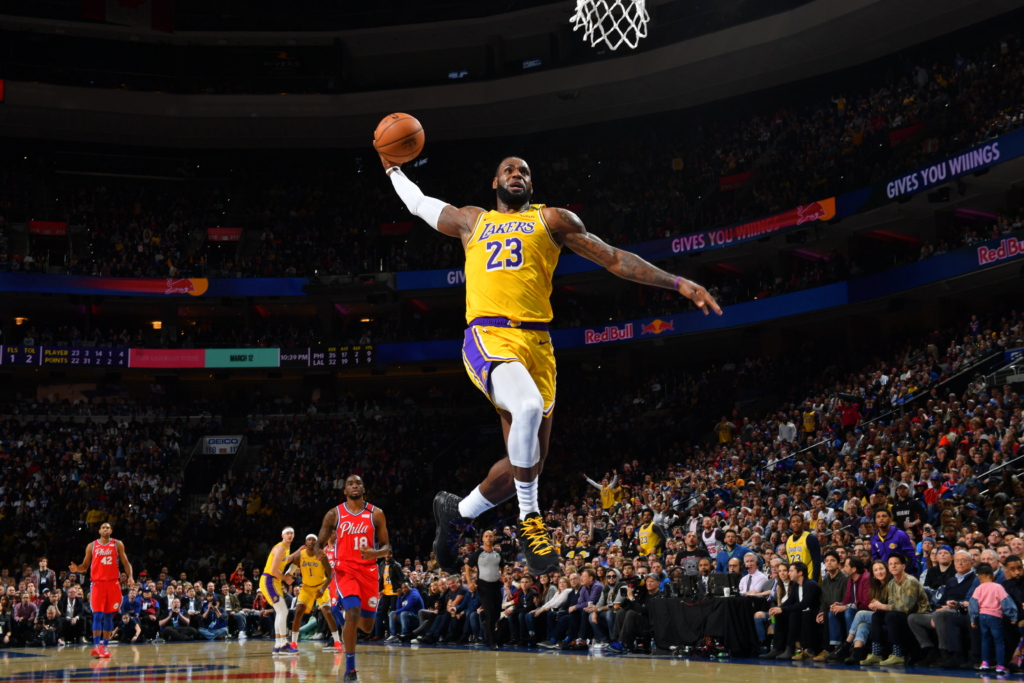
Basketball was not learned through instinct. It was learned through process.
He approached drills the way others approached games. Repetition mattered. Sequence mattered. Each movement had a purpose.
By the time he reached organized competition, discipline was no longer an effort. It was default.
Entering a System That Reflected Him
When he joined the NBA, he did not arrive as a disruptive force. He entered a team built on routine, spacing, and accountability.
The environment did not need reshaping. It matched him.
Practices were methodical. Film sessions were precise. Roles were defined. Expectations were consistent.
Rather than resist structure, he absorbed it.
He learned when to arrive. How to prepare. How to move within defined parameters.
His growth mirrored the system’s values: patience, clarity, control.
Teammates noticed habits before they noticed talent.
He did not linger after mistakes. He corrected them.
He did not rush after success. He reset.
The rhythm remained unchanged.
Daily Habits as Competitive Advantage
Across seasons, his preparation became predictable.
Warm-ups followed the same pattern. Post-practice routines repeated. Recovery was treated with equal importance.
There were no visible fluctuations.
When schedules tightened, the routine held.
When travel increased, the routine adapted.
He did not chase variation.
This consistency created stability in performance.
Teammates learned what to expect. Coaches built plans around reliability.
The game did not become easier. The approach became steadier.
Discipline reduced volatility.
In a league where performance often swings, his rarely did.
Discipline in Decision-Making
On the court, discipline appeared in restraint.
He did not force possessions. He did not override the system.
If a play developed elsewhere, he allowed it.
If the defense shifted, he adjusted.
He understood that control did not require command.
This manifested in small moments:
- Passing out of double teams rather than challenging them.
- Resetting possessions rather than accelerating them.
- Holding position instead of chasing highlights.
Each decision reinforced rhythm.
The team became predictable in the best way.
Possessions flowed.
Mistakes decreased.
The style extended beyond individual play.
Discipline became collective.
Longevity Through Structure
As the league evolved, discipline became preservation.
Pace increased. Roles shifted. Younger players arrived with different tempos.
Rather than compete with change, he aligned with it.
Minutes adjusted. Responsibilities shifted.
The habits remained.
Training became more deliberate. Recovery more intentional. Movement more economical.
The body aged. The approach adapted.
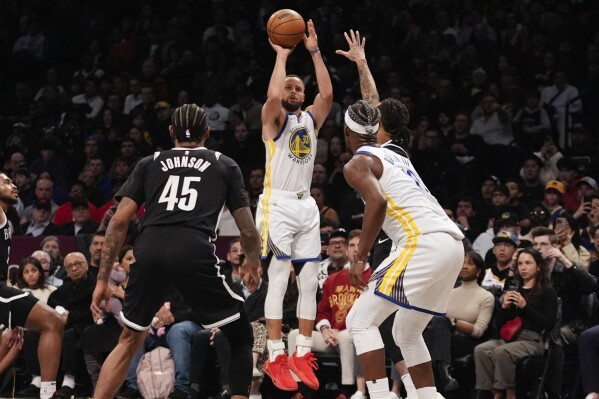
Where others relied on intensity, he relied on structure.
This extended relevance.
He did not chase reinvention.
He refined.
Each season added context.
The same principles applied in new forms.
Leadership Without Display
Discipline influenced how he led.
He did not raise his voice. He modeled behavior.
Arriving early.
Reviewing film.
Correcting positioning.
Younger teammates observed before they listened.
He did not impose standards.
He embodied them.
This created alignment.
Standards became implicit.
When mistakes happened, correction followed without escalation.
When pressure mounted, routine remained.
In high-stakes moments, the environment felt familiar.
Discipline removed novelty.
Games felt like extensions of practice.
Moments That Reflected the Pattern
Across his career, there were games defined not by output but by response.
Losses did not provoke visible frustration.
Wins did not alter preparation.
He treated both as data.
When injuries occurred, rehabilitation followed structure.
When roles changed, acceptance followed clarity.
Each transition followed the same sequence:
- Observe
- Adjust
- Repeat
There were no abrupt shifts.
No declarations.
No redirections.
The career advanced through accumulation.
How Discipline Became Identity
Over time, discipline ceased to be a tool.
It became identity.
Observers struggled to separate personality from process.
He was known for stability.
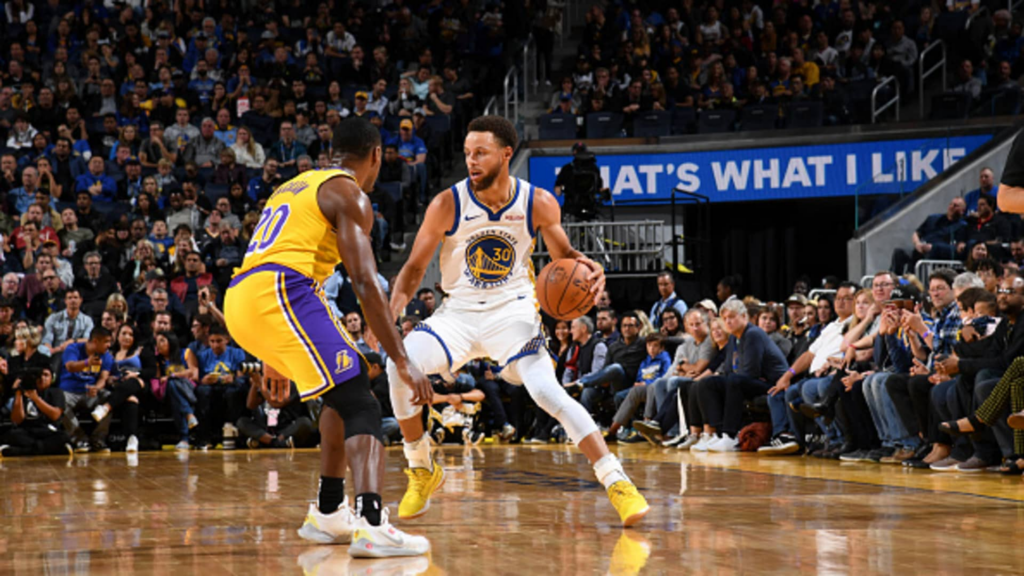
Not because he avoided difficulty.
Because he processed it consistently.
Each season resembled the last in tone, not in context.
Teammates changed.
Systems evolved.
The approach remained.
The league around him accelerated.
He stayed aligned.
This created contrast.
In a sport defined by peaks and valleys, his path formed a line.
Not flat.
Steady.
The Shape of a Disciplined Career
Looking back, the milestones appear evenly spaced.
There are no abrupt rises.
No sudden drops.
The arc resembles progression rather than surge.
Discipline did not create highlight moments.
It created continuity.
It allowed skills to mature.
It allowed teams to stabilize.
It allowed change without disruption.
The career did not hinge on transformation.
It unfolded through repetition.
Each season resembled preparation.
Each game resembled process.
Each phase resembled extension.
The result was not dominance through force.
It was presence through consistency.
The court reflected that.
Games did not feel rushed.
They felt resolved.
AI Insight: Over time, people tend to notice that discipline often leaves its mark not in dramatic moments, but in how consistently someone shows up year after year.