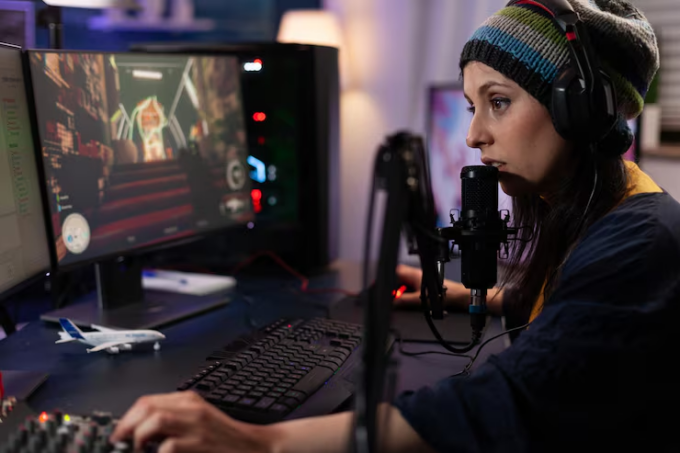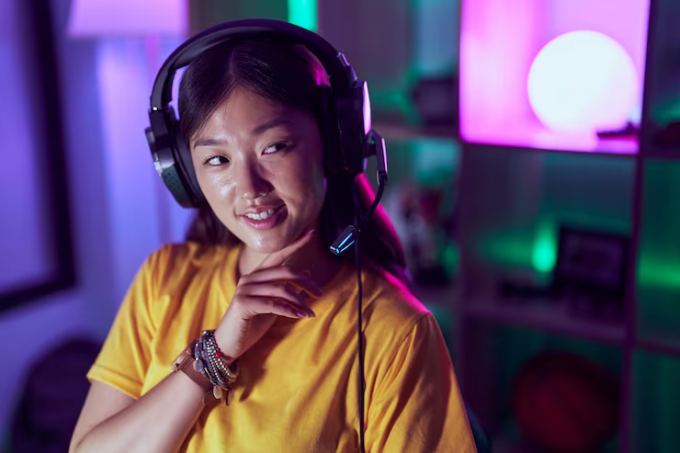
A decade ago, the idea of playing video games or broadcasting daily life for a living was considered a fringe hobby. Today, for leading US digital figures, streaming has evolved into a highly sophisticated and lucrative career path. In the United States, the creator economy has matured into a multi-billion dollar industry where top-tier professionals operate like media CEOs.

The transition from “amateur broadcaster” to “professional creator” was driven by a fundamental shift in how brands, platforms, and audiences perceive digital attention.
The Shift from “Views” to “Direct Monetization”
In the early days of the internet, creators relied almost exclusively on ad revenue (CPM). However, a prominent US-based streamer knows that relying on platform ads is a volatile strategy. The breakthrough that turned streaming into a stable career was the introduction of Direct-to-Consumer (D2C) monetization.
Features like paid subscriptions, digital “bits” or “tips,” and tiered membership programs allowed streamers to earn a predictable monthly income. This “Subscription Model” shifted the focus from mass-market appeal to building a core group of “Super Fans” who are willing to pay for exclusive access and community.
The Professionalization of Brand Sponsorships
As streaming audiences grew to rival traditional cable television, major American corporations began to take notice. Leading industry figures no longer just “mention” a product; they sign multi-month partnership deals that involve integrated marketing campaigns.
These streamers act as “Brand Ambassadors,” providing companies with a level of “Live Engagement” that traditional commercials cannot match. Because the streamer has built a foundation of trust with their audience, their recommendation carries the weight of a trusted peer, resulting in much higher conversion rates for advertisers.
The “Content Multiplying” Strategy
To turn streaming into a full-scale career, top-tier US creators had to learn how to work smarter. A 4-hour live stream is no longer just a one-time event; it is a “Content Goldmine.”
Professional teams now take a single broadcast and slice it into dozens of “Micro-Assets.” This strategy allows a creator to be “Omnipresent” across all platforms while only “working” for a few hours live. This efficiency is what allows a single individual to reach the scale of a traditional media network.
Infrastructure and “The Creator Back-Office”
For a prominent digital professional, streaming involves much more than just sitting in front of a camera. As it became a career, a whole “Support Ecosystem” emerged. Successful streamers now employ:
- Talent Managers: To negotiate high-value contracts.
- Tax Professionals: To handle the complex finances of a multi-state digital business.
- Editors and Thumbnail Designers: To maintain the high technical standards of the US market.
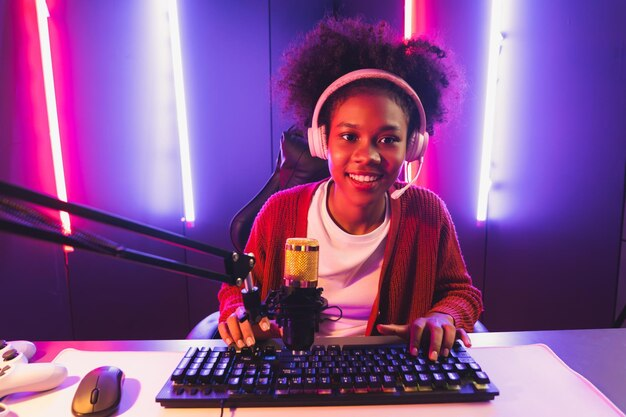
This infrastructure is what turns a “person with a webcam” into a “Digital Media Empire.”
A Reflective Conclusion
The evolution of streaming into a career path is a factual record of the power of the “Direct Connection.” By removing the gatekeepers of traditional media, top-tier US creators have built a new middle class of professionals.
While the tools and platforms will continue to change, the core principle remains: if you can capture and keep attention in a professional, respectful way, the market will reward you. Streaming is no longer just a game; it is a legitimate pillar of the modern global economy.
AI Insight: People generally notice that as a hobby transitions into a career, the emphasis often shifts from the activity itself to the strategic management of the business operations behind it.