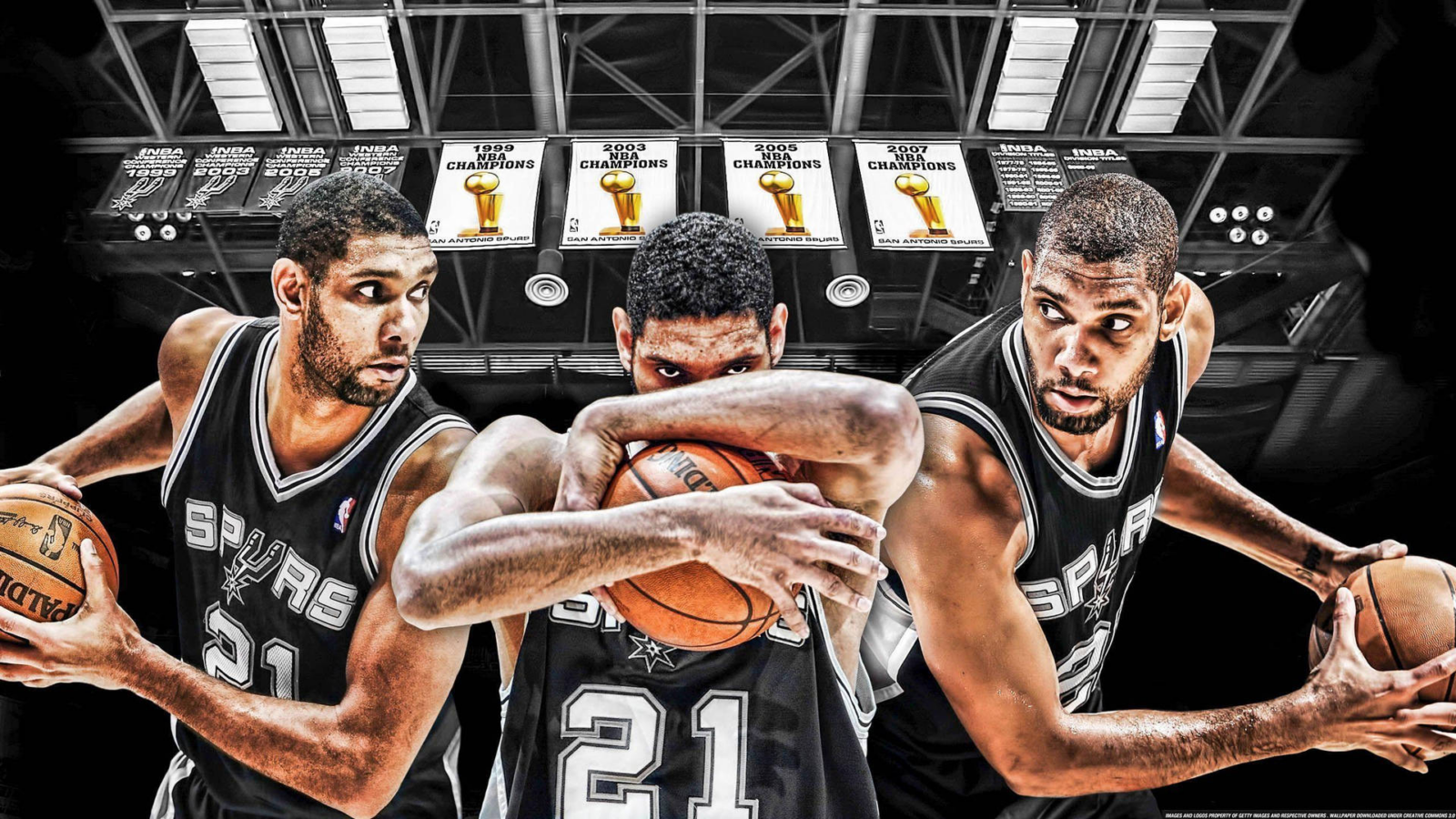
From Promise to Presence
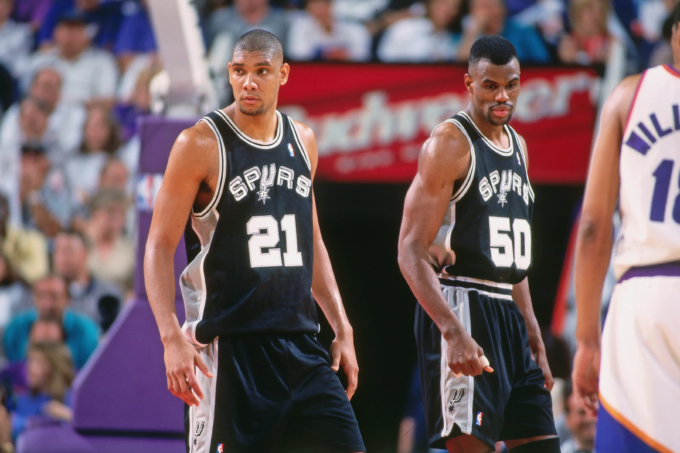
When Tim Duncan entered the NBA in 1997, he arrived with expectations but without spectacle. Drafted by the San Antonio Spurs, he joined a team led by David Robinson and immediately fit into a culture built on discipline.
Early in his career, Duncan was defined by reliability. He played close to the basket, relied on fundamentals, and produced with consistency. His rookie season felt less like an introduction and more like a continuation of something already stable.
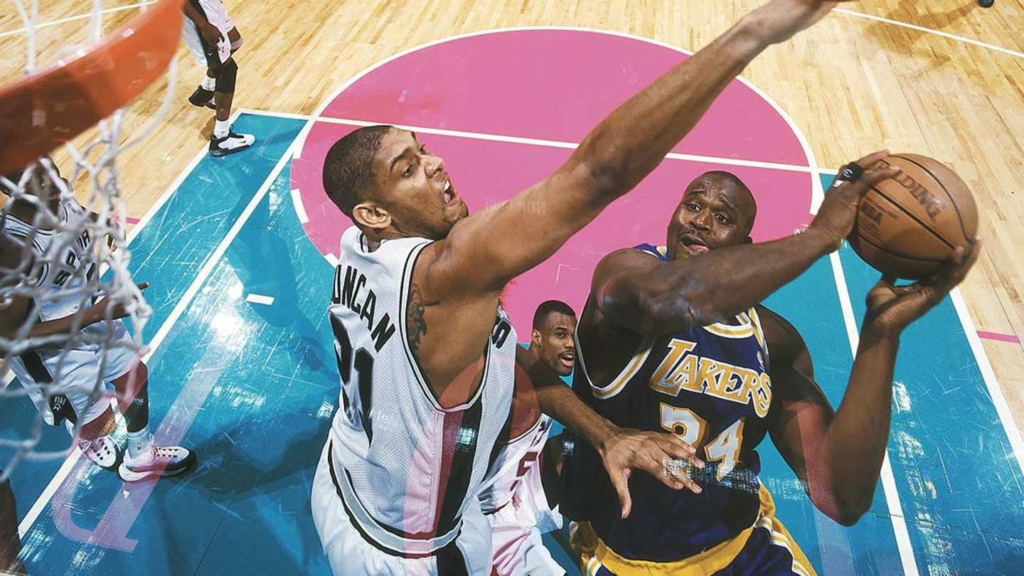
By his second year, the Spurs won an NBA championship. Duncan was named Finals MVP. The league saw him as a cornerstone, but his style remained unchanged—quiet, efficient, deliberate.
He did not reshape the environment.
He aligned with it.
Becoming the Center of Gravity
As Robinson aged and eventually retired, Duncan’s role shifted. He became the team’s anchor.
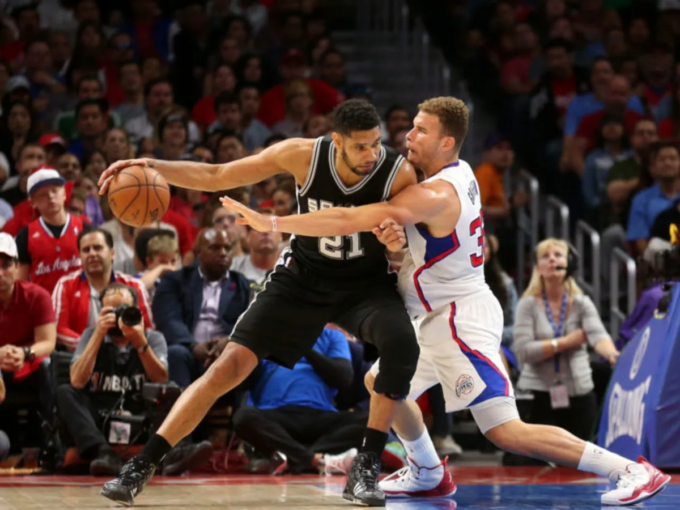
During the early 2000s, he entered his prime. MVP awards followed. The offense increasingly ran through him. In the post, he dictated pace. On defense, he controlled space.
Championships in 2003, 2005, and 2007 reflected this phase. Duncan was not just a contributor—he was the reference point. Possessions flowed toward him. Teammates adjusted around him.
Yet even at his most dominant, his game did not inflate.
He did not chase volume.
He did not force presence.
He remained structured.
The league evolved. His role matured.
From Anchor to Connector
As Tony Parker and Manu Ginóbili emerged, the Spurs’ identity began to shift. Pace increased. Ball movement became central. The game widened.
Duncan adapted.
Where once he had been the destination, he became the hinge.
Post-ups turned into screens. Touches turned into spacing. Instead of drawing every possession inward, he allowed them to expand outward.
This phase of his career is often misunderstood.
To casual observers, it appeared as decline.
In reality, it was translation.
His influence changed shape.
It did not diminish.
He became less visible and more structural. The team moved faster because he made it possible.
The Veteran Phase
By the early 2010s, Duncan was no longer the primary scorer. His minutes decreased. His responsibilities narrowed.
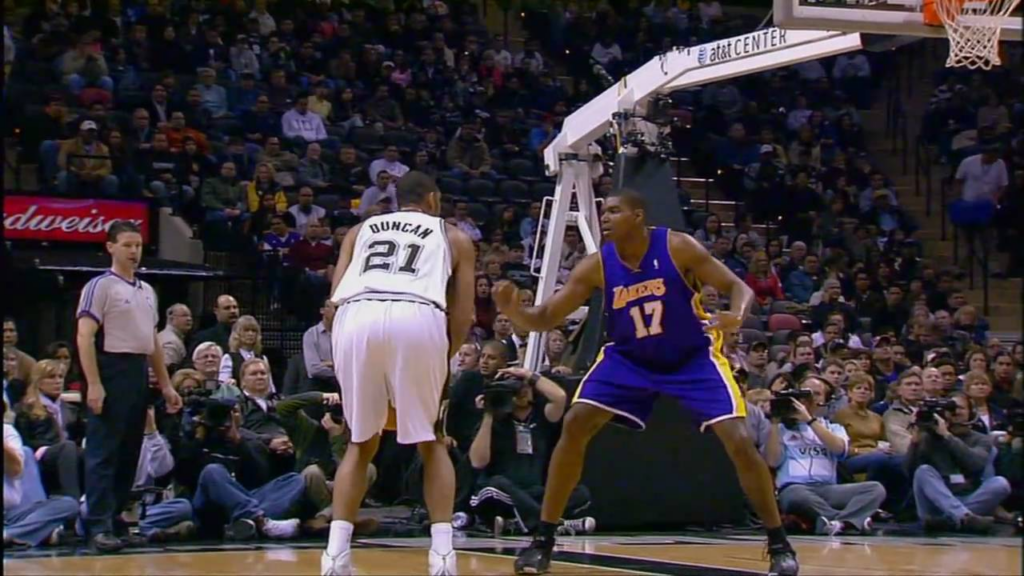
His impact did not.
In 2014, the Spurs won another championship. The Finals MVP went to a younger teammate. Duncan remained central without being dominant.
He set screens. He protected space. He stabilized possessions.
At 38, he embodied the system more than he commanded it.
This stage of his career revealed something rare: a star who aged into the background without losing relevance.
He did not resist change.
He absorbed it.
The End Without Disruption
Duncan retired in 2016 after 19 seasons—all with the Spurs.
There was no farewell tour. No staged exit. The career ended in the same tone it began.
Quietly.
Looking back, his evolution is not marked by sharp turns.
It is marked by continuity.
- From contributor to anchor
- From anchor to connector
- From connector to foundation
Each phase flowed into the next.
He did not reinvent.
He refined.
The league around him accelerated.
He remained aligned.
That alignment allowed his career to stretch across eras without fracture.
His evolution was not about becoming something new.
It was about becoming more complete.
AI Insight: Over time, people tend to notice that the most enduring careers often evolve not through sudden change, but through steady adjustment that keeps pace with everything around them.