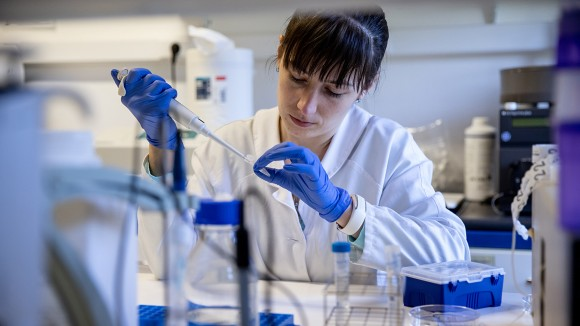
Discovery is often sold to us as a “Eureka” moment. A sudden flash of lightning in a dark room. We love the idea of a lone genius waking up with a world-changing answer.
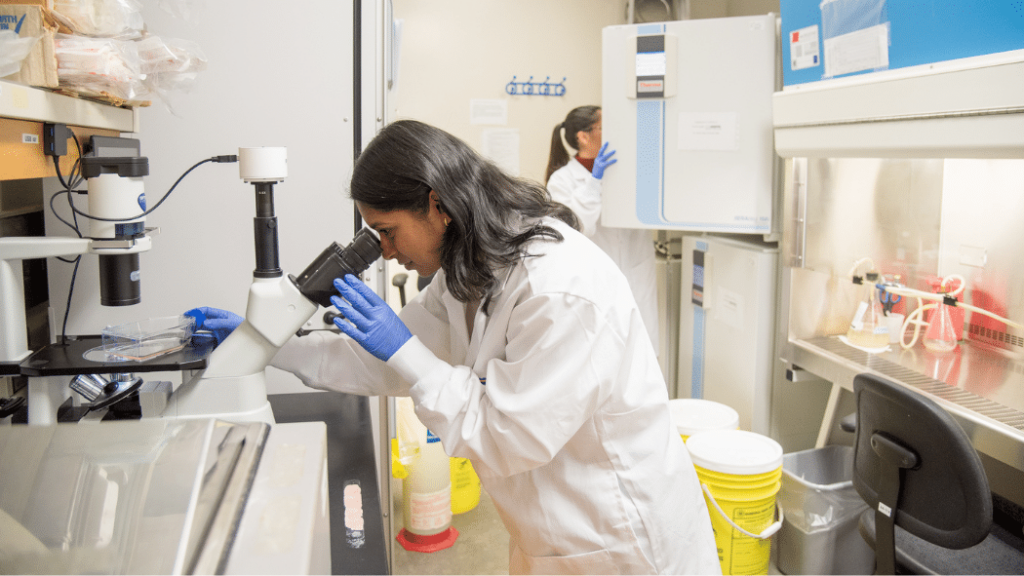
But in reality, most breakthroughs are born in the quiet hours of long-term study. They are the result of years spent looking at the same patterns until they finally speak. This discovery didn’t happen overnight; it was earned through relentless focus.
The Foundation Was Built on Quiet Observation
The journey started years before the world noticed anything. It began with a commitment to the fundamentals of the field. While others looked for shortcuts, this path was paved with data and discipline.
Inspiration wasn’t the starting point; curiosity was. The scientist spent years mastering the “how” and “why” of existing systems. This deep immersion created a mental map that others simply didn’t have.
Small Anomalies Triggered Deep Interest
Most people ignore things that don’t fit the standard narrative. They see a small error in the data and call it an outlier. But years of study train the eye to look specifically for those gaps.
This discovery was sparked by a minor inconsistency. It was something so small that a casual observer would have missed it entirely. Because of a decade of context, that small gap felt like a massive canyon.
The Power of Compound Knowledge
In the US market, we often talk about compound interest in finance. The same principle applies to scientific study and discovery. Knowledge doesn’t just add up; it multiplies over time.
Every year spent studying added a new layer of perspective. Connections that seemed impossible five years ago became obvious today. The discovery was simply the final piece of a very large, complex puzzle.
Familiar Tools Were Used in New Ways
Discovery doesn’t always require inventing a brand-new tool. Often, it involves using a familiar instrument with a different philosophy. After years of using the same methods, the scientist saw a hidden potential.
It was like looking at a familiar landscape through a high-definition lens. The tools were standard, but the intent behind them was refined. Time had turned a basic skill into a masterful craft.
Frustration Acted as a Strategic Compass
There were moments of intense friction and “dead ends.” In the American mindset, we often see failure as a stopping point. But for this discovery, frustration was actually a signal that something was close.
The scientist didn’t pivot away when things got difficult. They stayed in the discomfort, knowing that the wall was thin. Frustration wasn’t an obstacle; it was the fuel for the final push.
The Role of Cross-Disciplinary Thinking
Years of study often lead a person to look outside their own “bubble.” By studying related fields, the scientist found the missing link. A concept from physics applied to biology, or a data model from tech applied to chemistry.
These connections only happen after the primary field is mastered. You have to know the rules perfectly before you can see how to blend them. The discovery was a masterpiece of synthesis, not just isolated thought.
Stillness Allowed the Patterns to Align
There is a common American trope of “hustle culture.” But the biggest breakthroughs often happen when the hustle stops. After years of intense labor, a period of intentional reflection was required.
The mind needed space to let the accumulated data settle. In that stillness, the “noise” of daily work faded away. What remained was the signal—the clear, undeniable path to the answer.
The Discovery Was a Direction, Not a Destination
When the breakthrough finally arrived, it wasn’t a finished product. It was a new door that had finally been unlocked after years of trying keys. The discovery provided a new framework for asking better questions.
It didn’t end the work; it transformed the work. The clarity gained from the discovery made the next ten years of research possible. It was a milestone on a much longer journey of understanding.
Recognition Came Long After the Work
In our fast-paced world, we want instant results and viral success. But true discovery doesn’t care about the news cycle. The significance of the work was only recognized in hindsight.
Validation didn’t come from a single presentation or a social media post. It came as the discovery was tested, verified, and applied in the real world. Meaning was built through utility and long-term impact.
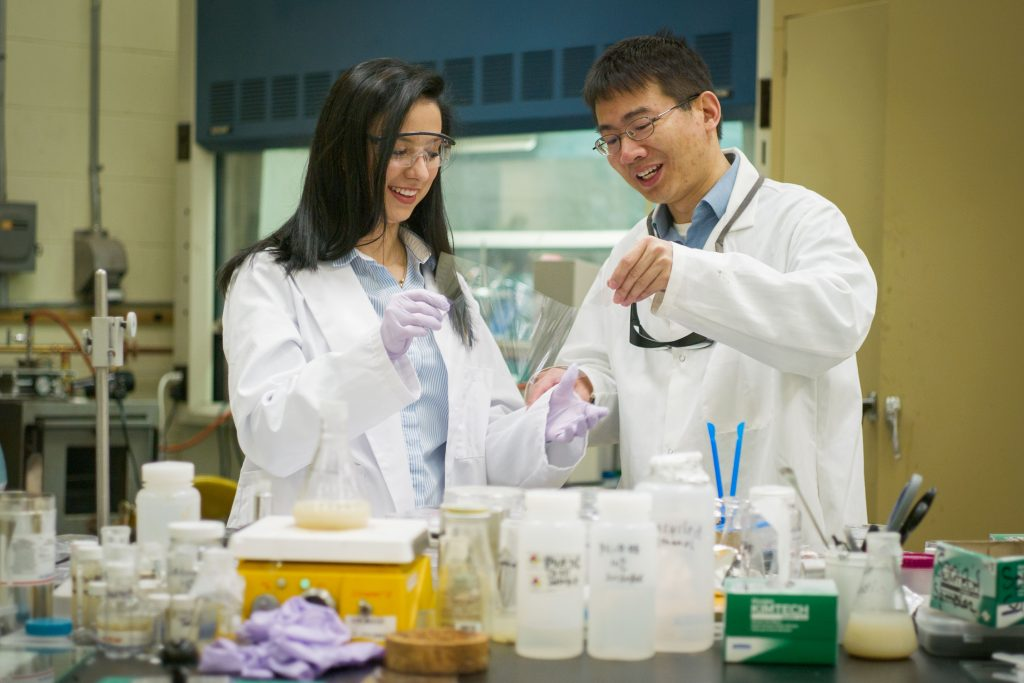
A Gentle Closing Reflection
We often celebrate the discovery, but we should celebrate the years that led to it. Patience is a rare commodity in the modern world, yet it is the primary ingredient in genius. The breakthrough was just the tip of the iceberg; the years of study were the massive weight beneath the surface.
If you are looking for your own breakthrough, don’t look for a spark. Look for a question that you are willing to live with for a decade. The most profound answers are reserved for those who stay long enough to hear them.
AI Insight: Scientific history shows that “sudden” discoveries are almost always the result of “latent learning”—where information is processed over long periods before it manifests as a breakthrough.