Innovators

Innovation rarely arrives as a headline in daily life. It appears as a drawer that closes softly, a light that turns on without thought, a chair that adjusts without effort. These are not grand inventions. They are refinements, shaped by people who pay attention to how ordinary moments unfold.
In everyday environments, innovators work at a human scale. They observe friction—how people fumble for switches, strain at desks, or forget to turn off heaters—and quietly redesign those moments. Their work often disappears into routine. What remains is ease.
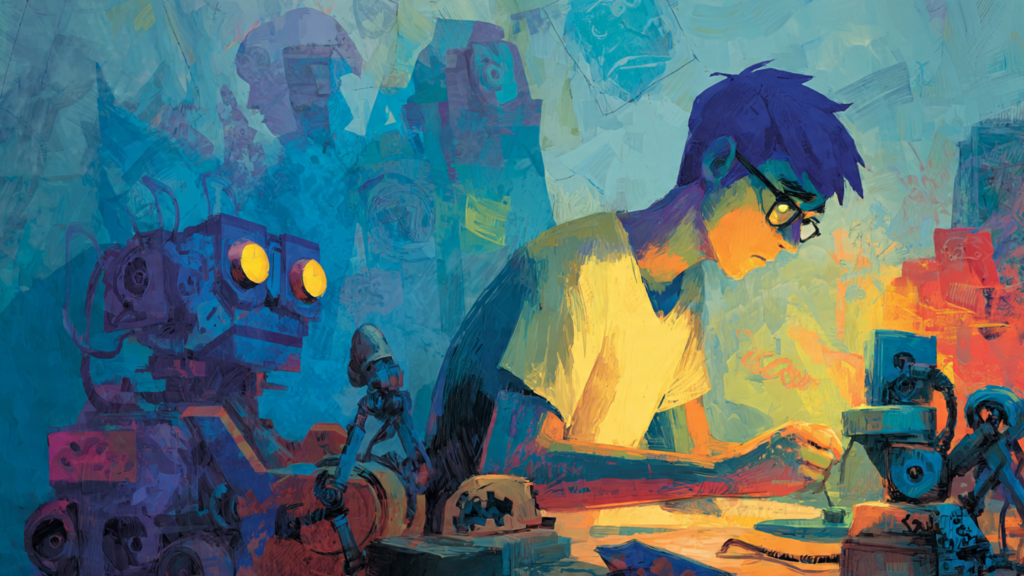
✨ AI Insight:
As digital tools became easier to prototype and deploy, individual designers and small teams gained the ability to refine everyday behaviors, embedding gentle intelligence into objects that once remained static.
Innovation as Observation
The most influential ideas begin with noticing. A founder watches someone balance a laptop on a couch. A designer sees how often a lamp is moved. An engineer notices that people rarely adjust thermostats until discomfort sets in.
These are not abstract problems. They are daily inconveniences.
Innovation at this level does not chase disruption. It seeks alignment between object and habit. The goal is not to change how people live, but to reduce the effort required to live as they already do.
This approach reshapes interiors quietly. Furniture becomes adaptive. Lighting becomes responsive. Storage becomes intuitive.
Rooms stop asking for constant management.
From Workshop to Living Room
Historically, innovation belonged to laboratories and factories. Today, it often begins in apartments and garages.
Affordable sensors, open-source software, and compact hardware allow individuals to test ideas in real homes. Prototypes live among laundry baskets and coffee mugs.
This proximity to daily life keeps ideas grounded. A smart shelf is judged by how often it is used, not by how impressive it appears. A connected lamp is successful only if it feels natural.
The home becomes both laboratory and proving ground.
This changes the character of innovation. It becomes iterative, patient, and intimate.
Designing for Friction
Many innovations address moments people barely articulate. The pause before finding keys. The reach for a light in the dark. The discomfort of a chair after an hour.
Innovators map these micro-frictions and design around them.
A drawer that glides silently. A desk that shifts height with a tap. A lamp that fades instead of flashing.
Each change is small. Together, they alter how space feels.
The interior becomes less demanding. Attention moves away from the environment and toward activity.
Comfort becomes ambient.
The Language of Subtlety
Modern innovation often avoids spectacle. Devices hide. Interfaces simplify. Feedback becomes tactile rather than visual.
A vibration replaces a beep. A glow replaces a notification. Movement replaces instruction.
This restraint reflects a new philosophy. Technology should not dominate space. It should participate in it.
Innovators now speak the language of furniture and architecture. They design for texture, weight, and silence.
The result is a home that feels more human, not more technical.
Learning From Use
Unlike static design, adaptive objects learn. They respond to repetition.
A lamp remembers evening brightness. A heater anticipates presence. A desk recalls preferred height.
These behaviors are not predictions. They are reflections of habit.
Innovators build systems that listen rather than command.
This shifts power toward the user. The object adapts instead of instructing.
The room feels attentive rather than automated.
Democratizing Comfort
Many past comforts were expensive or permanent. Central heating. Built-in cabinetry. Architectural lighting.
Today, innovators make comfort portable. Plug-in devices. Modular furniture. Movable systems.
A renter can enjoy warm light. A student can have an adjustable desk. A traveler can carry familiar tools.
This portability changes who benefits.
Comfort becomes less about ownership and more about agency.
The home becomes a space that responds regardless of status.
The Role of Constraint
Innovation thrives under limits. Small apartments. Shared spaces. Temporary homes.
Constraints force clarity. What truly matters? Light. Air. Movement. Storage.
Innovators working in these environments strip ideas down. They focus on essentials.
A folding table that becomes a desk. A lamp that clips anywhere. A shelf that installs without damage.
These solutions spread beyond their origin. They reshape mainstream interiors.
What begins as necessity becomes preference.
Innovation Without Authority
Traditional innovation often spoke with authority. Manuals. Instructions. Standards.
Today’s innovators favor invitation. Objects suggest rather than demand.
A light that brightens slowly teaches patience. A chair that moves teaches posture.
Learning happens through experience.
This preserves autonomy. Users remain in control.
The home remains personal.
Culture Through Objects
Innovators do not only create tools. They shape expectations.
Once people live with responsive light, static glare feels harsh. Once they use adjustable furniture, fixed desks feel rigid.
Standards shift quietly.
Rooms become more forgiving. Habits become gentler.
The interior culture evolves.
Not through decree, but through repetition.
The Invisible Hand
The most successful innovations disappear. They become background.
A door that opens smoothly is not noticed. A room that stays comfortable is assumed.
Yet these experiences are designed.
Innovators measure success by absence—absence of friction, absence of complaint.
Their work is felt through calm.
The room becomes easier to inhabit.
Why It Matters
Innovation shapes daily life more through accumulation than through breakthrough.
Each small refinement removes a moment of strain.
Over a day, that matters. Over a year, it reshapes routine.
A home that responds gently reduces cognitive load. It preserves attention for living.
Innovators who work at this scale influence how people relate to space.
They turn rooms from static containers into supportive environments.
This does not create spectacle. It creates continuity.
Comfort becomes assumed.
Agency becomes normal.
The home feels less like a system to manage and more like a place to be.
The future of innovation is not louder.
It is quieter.
It listens.
It observes.
It adjusts.
It disappears.
And in doing so, it changes everything about how rooms feel.