A Courtroom Turned Into a Stage
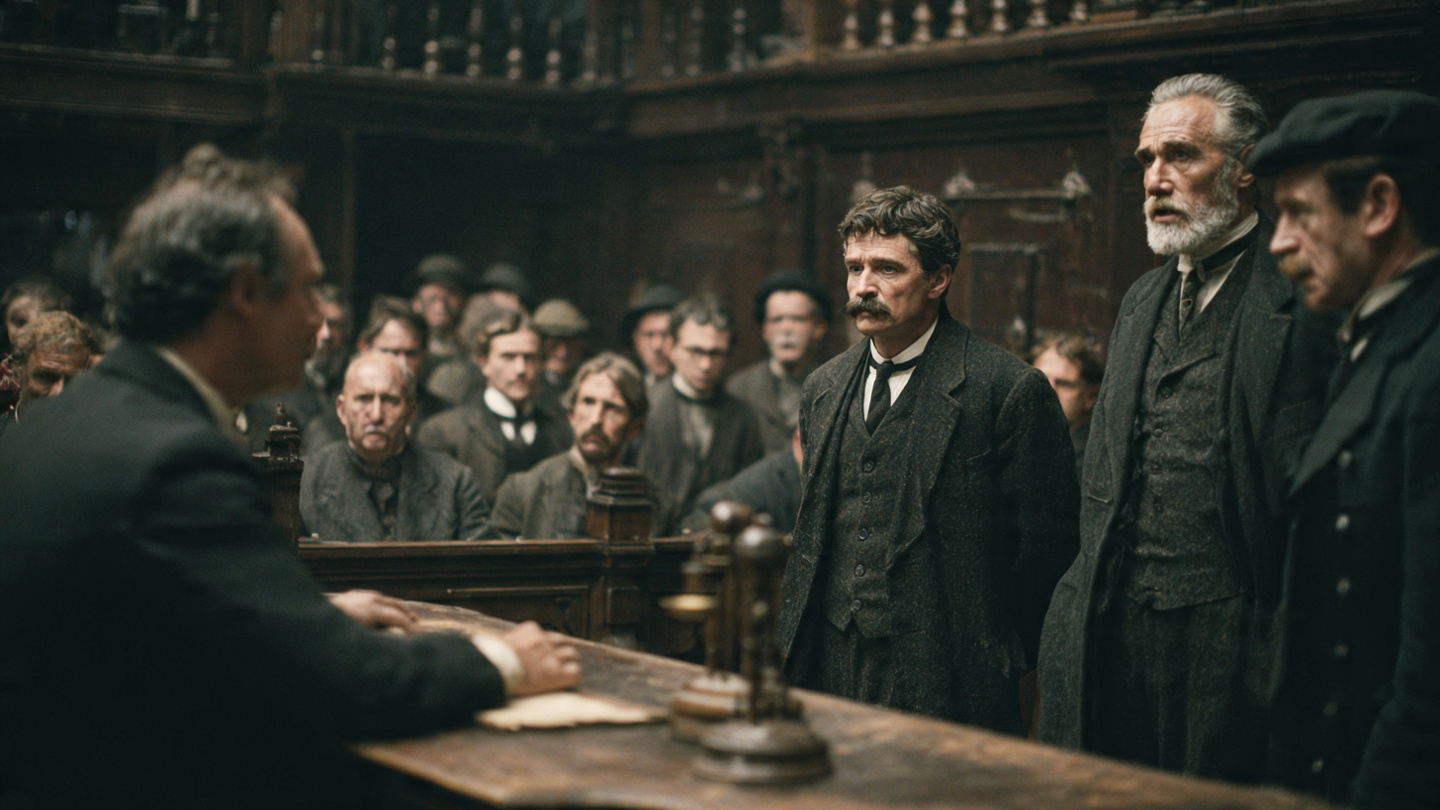
When the trial of O. J. Simpson began in 1995, it immediately moved beyond the boundaries of a normal criminal case. Court proceedings were broadcast live. Every objection, pause, and reaction became public.
Viewers did not receive summaries.
They received the trial itself.
Jurors became figures of speculation.
Lawyers became personalities.
Evidence became debate.
The courtroom transformed into a national forum.
Evidence in Full View
Prosecutors presented DNA analysis, blood evidence, and timelines meant to establish presence and motive. The defense challenged collection methods, contamination, and credibility.
The now-famous glove demonstration became symbolic.

When Simpson struggled to pull on the gloves, the image lingered. It condensed complexity into a single moment.
Arguments shifted from data to interpretation.
Science met doubt.
Procedure met perception.
The trial did not only ask what happened.
It asked who should be trusted.
Two Narratives, One Room
The prosecution framed the case as direct and physical—evidence at the scene, a history of domestic conflict, a timeline that converged.
The defense reframed it as systemic failure—mishandled evidence, biased investigators, and institutional unreliability.
Both stories occupied the same space.
The jury was not only evaluating facts.
They were navigating meaning.
A Verdict Heard Everywhere
On October 3, 1995, the verdict was announced.
Not guilty.
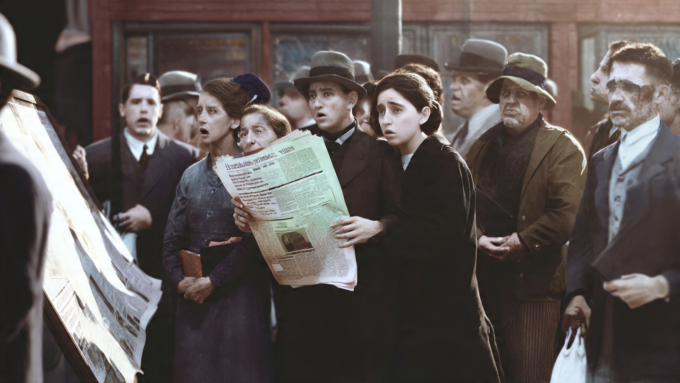
Classrooms paused.
Offices stopped.
Streets quieted.
The nation reacted in split voices.
Some saw justice.
Others saw collapse.
The verdict did not close the story.
It multiplied it.
The trial had not produced a single truth.
It had revealed how many truths could coexist.
What the Trial Changed
After this case, legal proceedings became cultural events.
Trials became content.
Courtrooms became narrative arenas.
Viewers became analysts.
The Simpson trial altered expectations.
People no longer waited for outcomes.
They followed process.
Every motion mattered.
Every witness became symbol.
Crime became serialized.
Why It Still Resonates
The trial endures because it did more than resolve a charge.
It exposed fault lines.
Between evidence and belief.
Between institution and experience.
Between outcome and acceptance.
It demonstrated that a verdict can conclude a case without ending its impact.
Justice was delivered.

Agreement was not.
The trial did not unify understanding.
It revealed how divided understanding already was.
AI Insight: Over time, people tend to notice that some trials matter less for their verdicts than for how they reveal the different ways truth can be seen at the same moment.