True Crime

True crime rarely feels like something that belongs in a home. It arrives quietly, through headphones during laundry, through a tablet propped on a kitchen counter, through a television glowing late at night. Over time, these stories settle into domestic rhythms, shaping how rooms are used and how evenings unfold.
What once required a bookshelf or a newspaper now lives inside small screens and speakers. Podcasts, documentaries, and long-form videos have made true crime part of everyday media consumption. It is no longer an event reserved for weekends or special broadcasts. It slips into ordinary moments—washing dishes, folding clothes, winding down before sleep.
✨ AI Insight:
As recommendation systems and on-demand audio became commonplace, niche storytelling like true crime shifted from occasional viewing to background presence, blending into routine activities without changing their surface form.
Listening as Living
True crime thrives in audio form. Headphones turn commutes into investigations. Speakers narrate cases while meals are prepared. The genre’s steady pacing and narrative structure fit domestic tasks unusually well.
This changes how rooms are occupied. The kitchen becomes a listening space. The bedroom becomes a private theater. The living room becomes quieter, not for silence, but for story.
The home adapts. A smart speaker sits near the sink. A tablet rests on a shelf. The room remains unchanged in shape, yet altered in function.
Listening becomes part of habitation.
The Intimacy of Voice
True crime podcasts rely on calm, deliberate narration. The voice feels close, even in large rooms. It creates a sense of companionship.
This intimacy affects atmosphere. A space feels occupied even when empty. A hallway carries a story. A bathroom echoes with narrative.
Rooms gain emotional texture. They hold suspense, curiosity, reflection.
The environment becomes a vessel for story.
Screens That Pause Life
Documentaries and series draw people into stillness. A couch becomes a station. Lights dim. Phones recede.
The living room reclaims its role as viewing space. Yet unlike scheduled broadcasts, these sessions begin at will.
A single episode fills a gap. A season fills a weekend.
Time bends around narrative.
The room responds. Blinds close earlier. Lamps soften. Furniture aligns toward the screen.
The space prepares itself for attention.
Habit Without Ritual
True crime consumption lacks ceremony. It is rarely planned. It happens between tasks.
This casualness integrates it into daily life. There is no “show night.” There is only now.
The effect is cumulative. Rooms become accustomed to background tension.
This does not create fear. It creates familiarity.
Stories become companions rather than spectacles.
The home absorbs them.
Curiosity in Quiet Places
Bathrooms, bedrooms, and kitchens host stories once confined to print.
These private spaces now carry public narratives.
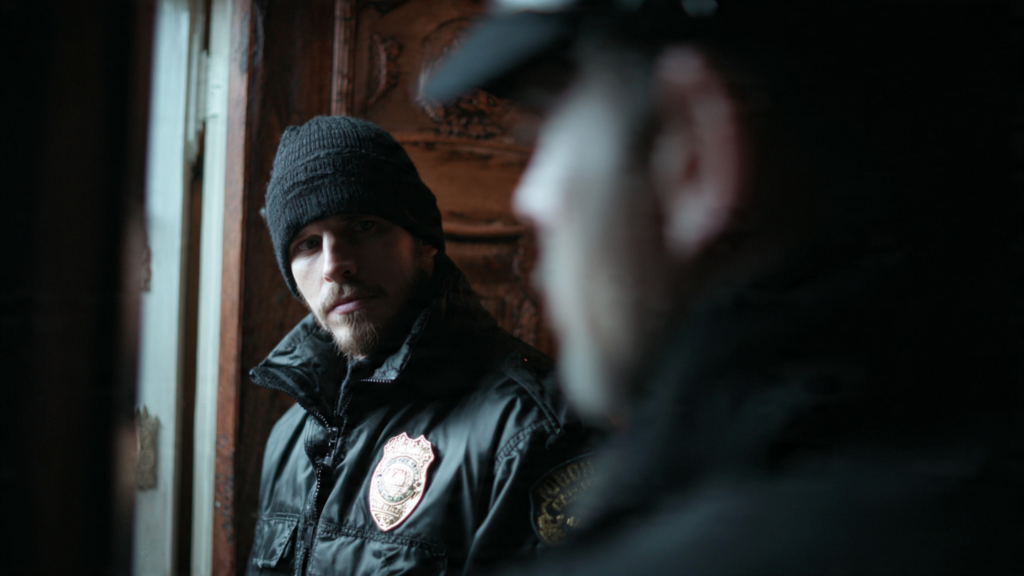
The act is intimate. Listening while brushing teeth. Watching while folding clothes.
The boundary between public story and private moment softens.
The home becomes porous.
Information flows inward.
The Reflective Pause
True crime often invites reflection. It raises questions about safety, motive, chance.
These thoughts linger.
A hallway feels longer. A window becomes something to check.
Not paranoia. Awareness.
Rooms hold these moments.
They become spaces for thinking, not just resting.
The home gains a contemplative layer.
Technology as Mediator
Devices control exposure. Playback speed. Volume. Resume points.
The story waits.
This control makes intense content manageable.
A person pauses before sleep. Skips a detail. Switches to music.
The environment supports boundaries.
True crime becomes adjustable.
The room remains safe.
Shared and Solitary
Some people watch together. Others listen alone.
In shared spaces, true crime becomes conversation. Pauses invite discussion. The room fills with commentary.
In solitude, it becomes companion. The voice replaces silence.
Both modes shape interiors.
Couches become closer. Chairs face screens. Corners host headphones.
The home adapts to attention patterns.
Design for Focus
As long-form listening grows, people adjust lighting and sound.
Soft lamps reduce glare. Rugs absorb echo. Headphones become household items.
Rooms evolve toward comfort and clarity.
Not because of true crime specifically, but because of long listening.
The genre accelerates this trend.
The home becomes quieter, more intentional.
Emotional Weight and Space
True crime carries gravity. It is not light entertainment.
People choose where to engage.
Some prefer kitchens, where activity buffers intensity. Others choose bedrooms, where reflection is private.
This creates emotional zoning.
Rooms gain identities.
One space holds story. Another holds rest.
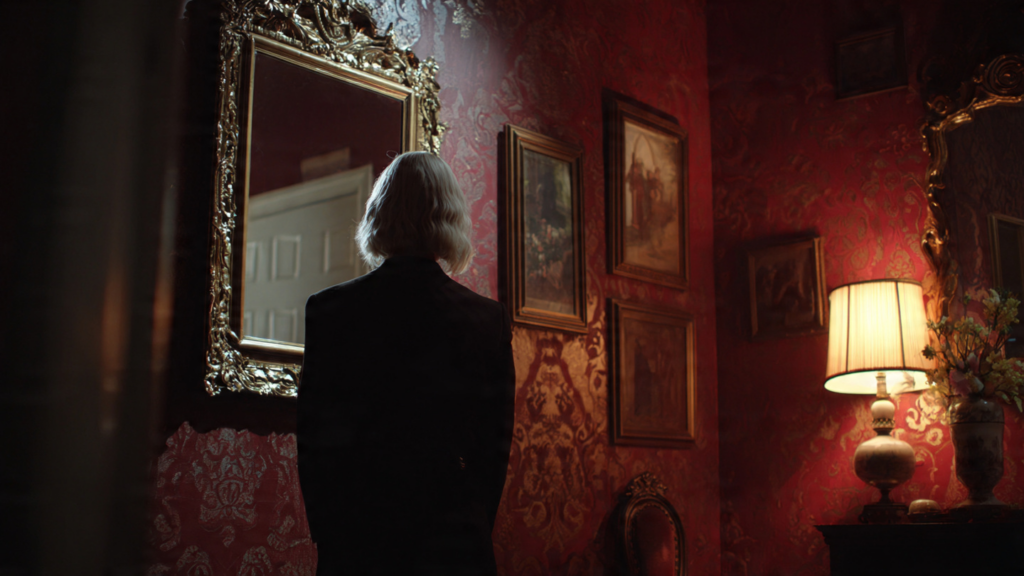
The home becomes layered.
Why It Matters
True crime’s presence in the home reflects a broader shift in media consumption. Stories are no longer events. They are companions.
Technology enables this shift. It removes schedule and location. It places narrative inside routine.
This changes how rooms function.
The kitchen is no longer only for cooking. It is for listening.
The bedroom is not only for sleep. It is for reflection.
The living room is not only for gathering. It is for immersion.
Spaces become multifunctional.
Emotion travels with audio.
The home becomes a narrative environment.
This matters because environment shapes experience. A story heard while folding clothes feels different from one watched in darkness.
Technology gives choice.
It allows people to place intensity where it feels manageable.
It allows pause.
It allows distance.
True crime remains intense, but it becomes personal.
The room becomes mediator.
Over time, these habits reshape interiors. Lamps move. Speakers appear. Corners become stations.
The house learns to host attention.
Not through renovation.
Through repetition.
A voice in the background.
A screen on a shelf.
A pause before sleep.
True crime does not change walls.
It changes how they are used.
The home becomes a place where stories unfold quietly, between tasks, within routine.
Not as spectacle.
As presence.