The Image Versus the Reality
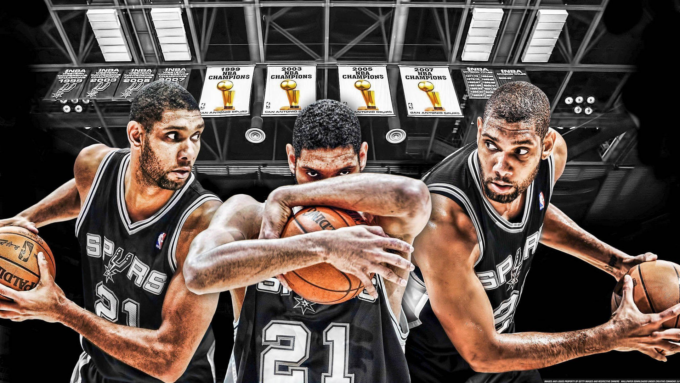
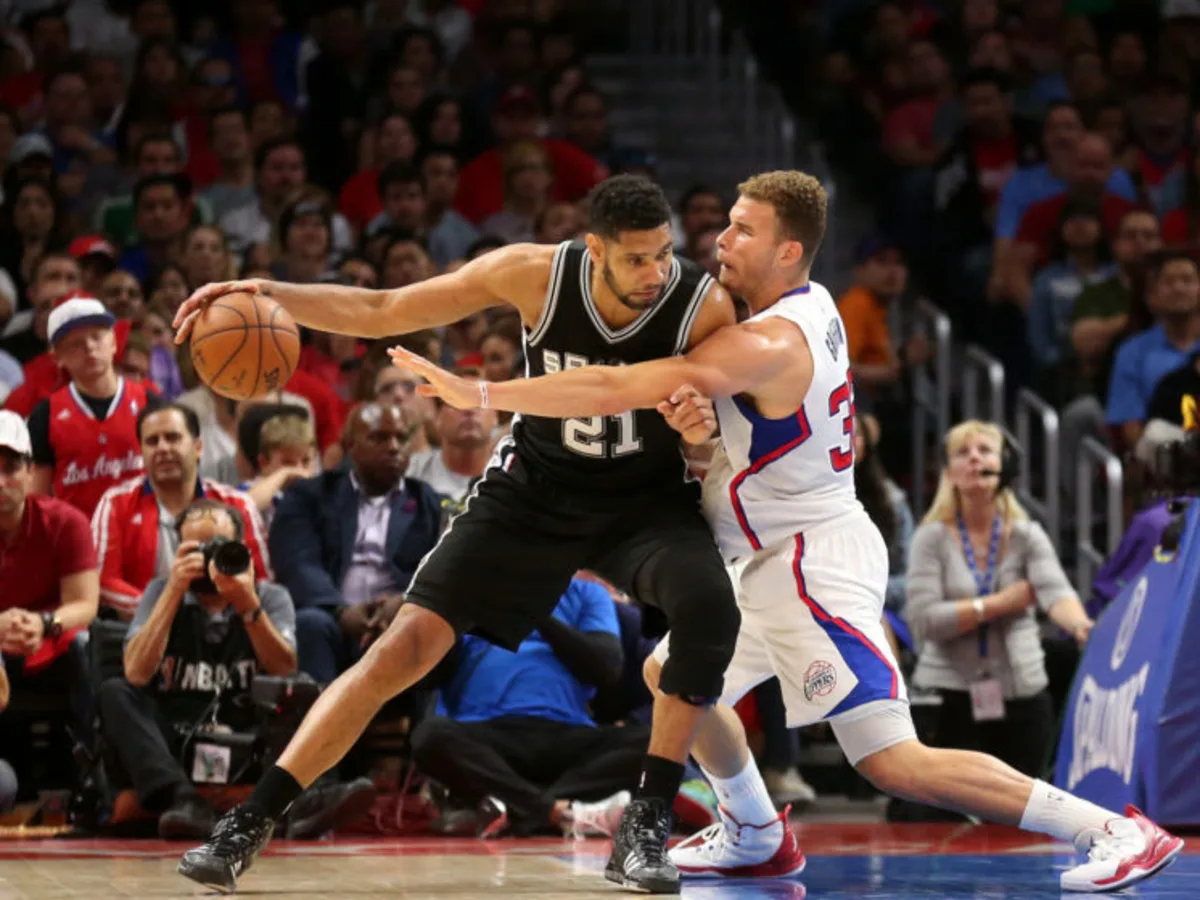
When fans think of Tim Duncan, they usually think in totals—five championships, two MVP awards, nearly two decades in one uniform. The image is clean and complete: a calm superstar, a perfect system player, a career without turbulence.

What often gets missed is how much adaptation lived inside that calm.
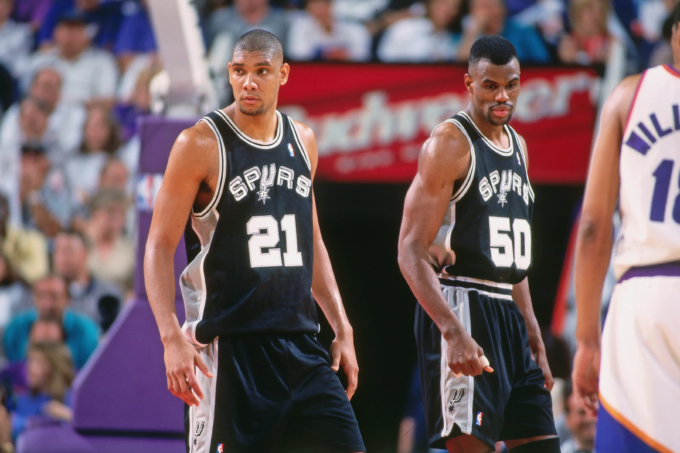
Duncan entered the league in 1997 beside David Robinson, joining a franchise already built on discipline. Early on, he was seen as the future while Robinson was the present. What fans rarely notice is how deliberately Duncan fit himself into that structure instead of reshaping it. He didn’t arrive demanding control. He learned the Spurs’ language first.
Adapting as the League Changed
As the years passed, the NBA changed. Shaquille O’Neal’s power era faded. Pace increased. Spacing widened. Perimeter play began to dominate. Many stars struggled to remain central through those shifts.
Duncan did not resist them—he absorbed them.
Early in his career, possessions flowed to him. He was the destination.
Later, possessions flowed through him. He became the hinge.
Post-ups turned into screens. Isolation became orchestration. Scoring gave way to spacing. The same player who once anchored offense in the paint later created room for Tony Parker’s drives and Manu Ginóbili’s cuts.
To casual fans, this looked like decline.
In reality, it was translation.
His influence shrank in shape and grew in reach.
The Quiet Control Fans Misread
Another detail often missed is emotional control. Duncan’s expression rarely changed. He didn’t celebrate loudly. He didn’t argue publicly. Interviews were brief. Reactions were muted.
This led to a common misunderstanding—that he was detached.
Inside the Spurs’ locker room, the opposite was true. Teammates described how he corrected positioning quietly, how he reviewed film meticulously, how he reset the group after both wins and losses. Leadership did not arrive through speeches. It arrived through habits.
- Arrive early
- Prepare the same way
- Correct without drama
- Move on
Because this leadership did not perform, it left few artifacts. There are no viral clips of Duncan stabilizing a huddle. No montages of routine. What exists instead is a long stretch of order.
Games felt calmer with him on the floor. Rotations were cleaner. Possessions had shape.
Fans remember the outcomes.
They often miss the environment.
Making Difficulty Look Simple
What also goes unnoticed is how difficult it is to make complexity look simple. Duncan’s footwork, his positioning, his timing—none of it was natural. It was built. Every angle was rehearsed. Every movement had context.
Because it looked easy, it was assumed to be effortless.
Because it was quiet, it was assumed to be passive.
In truth, it was controlled.
As years pass and new stars cycle through the league, something becomes clearer. Teams rarely feel as stable. Systems rarely feel as settled. Chaos appears more often.
Only then does the absence become visible.
Duncan’s greatness was not in what stood out.
It was in what never broke.
AI Insight: Over time, people often realize that what once felt effortless was actually the result of layers of work that were never meant to be seen.