A Threat Without a Face
In the fall of 1982, people in the Chicago area began dying suddenly after taking Tylenol capsules. The deaths appeared unrelated—ordinary people in ordinary homes, struck by something meant to relieve pain.
Investigators soon discovered the cause.
The capsules had been laced with cyanide.
Someone had removed bottles from store shelves, poisoned them, and quietly returned them. There was no confrontation. No warning. No visible perpetrator.
The danger was invisible.
Anyone could be next.
Fear in Everyday Spaces
What made the crime extraordinary was where it lived.
Not in dark alleys.
Not in private rooms.
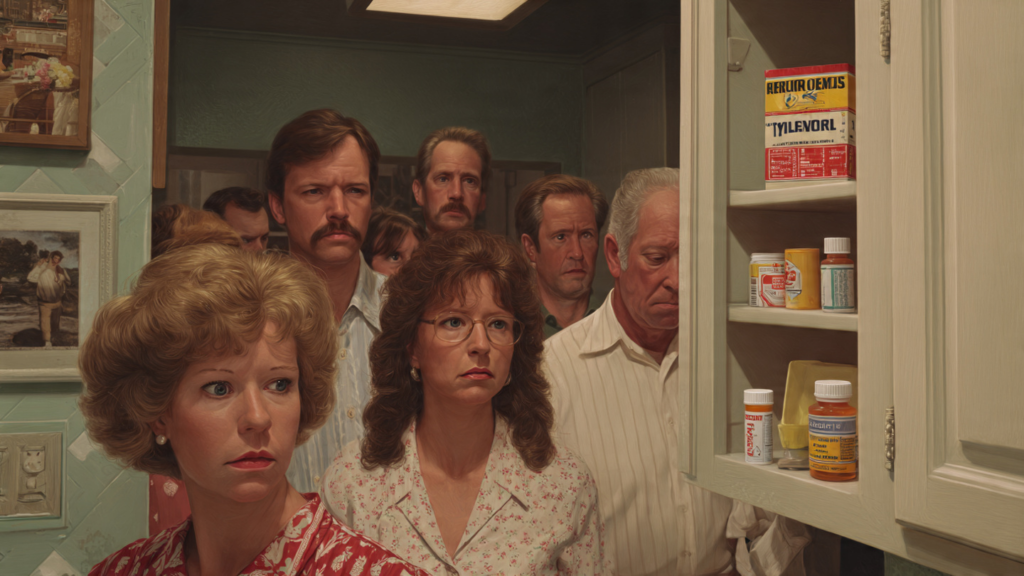
But in medicine cabinets.
The poison traveled through trust.
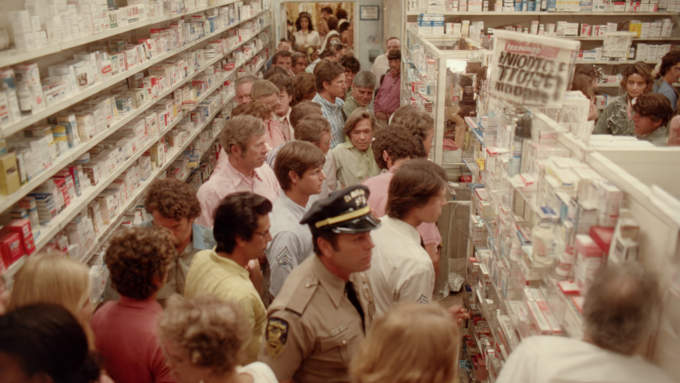
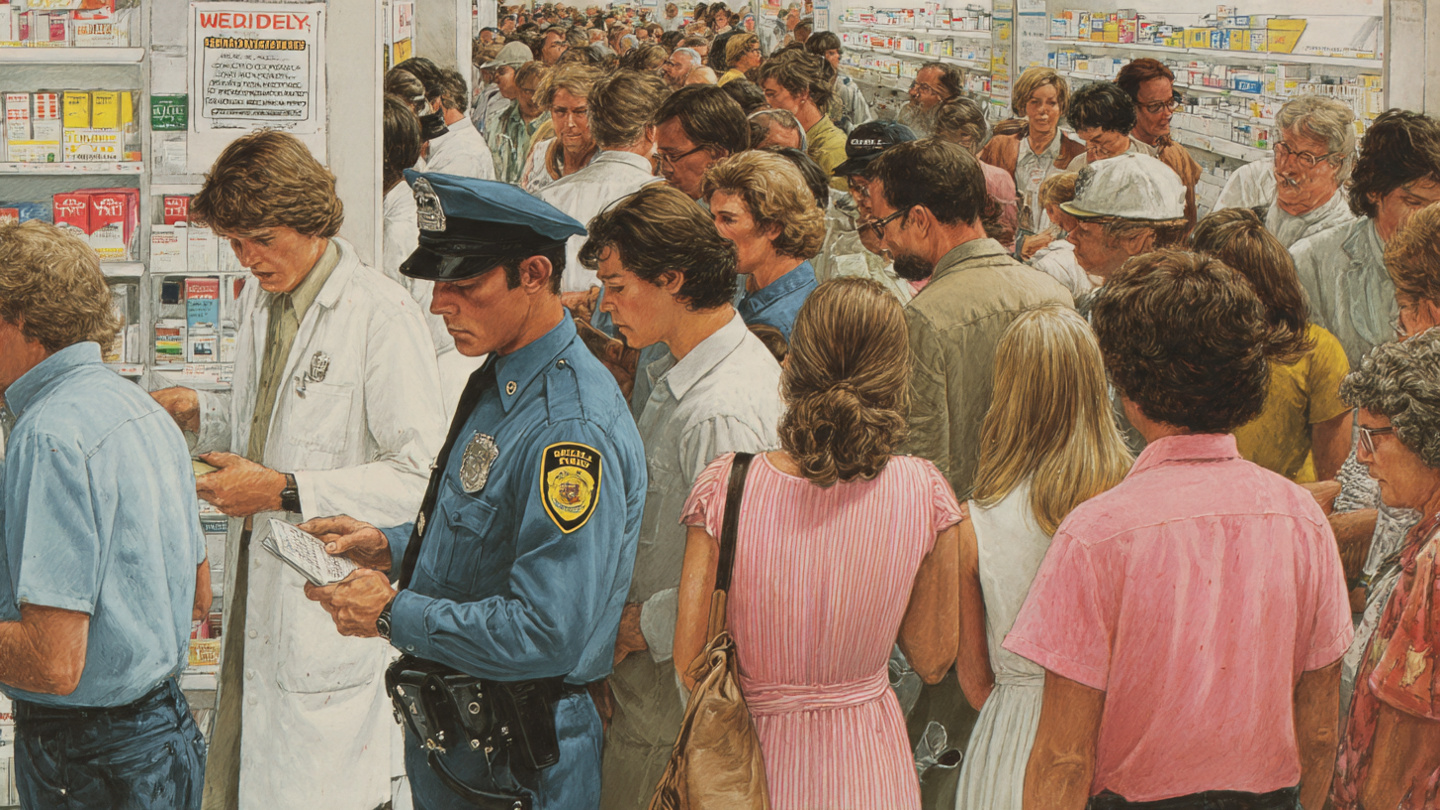
Families across the country opened drawers and questioned what had once been routine. Pharmacies pulled products. Hospitals issued alerts. News broadcasts urged people not to take a common household medication.
A simple act—swallowing a pill—became uncertain.
The threat was not personal.
It was environmental.
A Crime Without a Target
The victims were strangers to one another.
They shared no background.
They were not chosen.
This randomness changed how the public perceived safety.
The crime did not stem from conflict.
It emerged from anonymity.
There was no motive to interpret.
No pattern to anticipate.
No behavior to avoid.
The danger could not be reasoned with.
It could only be removed.
A National Response
Johnson & Johnson, the manufacturer, recalled over 31 million bottles—an unprecedented action. Stores emptied shelves. Packaging across the pharmaceutical industry changed.
Tamper-evident seals became standard.
The crime reshaped consumer safety.
It did not merely shock.
It reorganized behavior.
Companies altered design.
Regulators updated standards.
Consumers learned caution.
A single unseen act rewrote an entire industry.
Why It Endures
No one was ever convicted for the Tylenol poisonings.
The identity of the person responsible remains unknown.
What endures is the shift in awareness.
The crime demonstrated that modern danger does not always announce itself. It can exist within convenience. It can move through systems designed to protect.

It revealed a new vulnerability:
That harm could be distributed quietly.
And that trust, once broken, changes shape.
The legacy is not the fear.
It is the seal on every bottle.
AI Insight: Over time, people tend to notice that the most notable crimes are not always the loudest ones, but the ones that quietly change how ordinary actions are understood.