The Image Versus the Routine
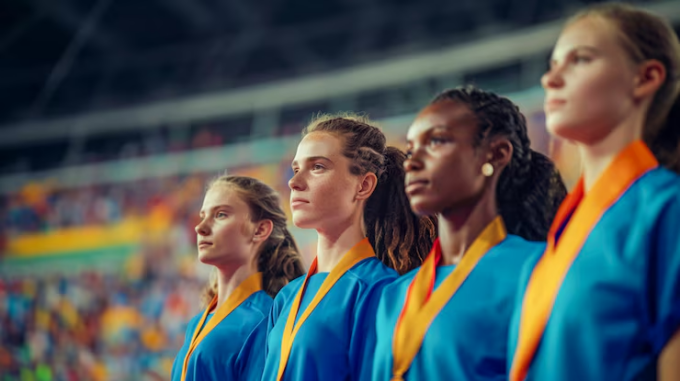
When people imagine Olympic life, they picture podiums, flags, and moments that last seconds on screen. The image feels condensed—one race, one leap, one finish.
What often gets missed is how much of Olympic life happens far from those moments.
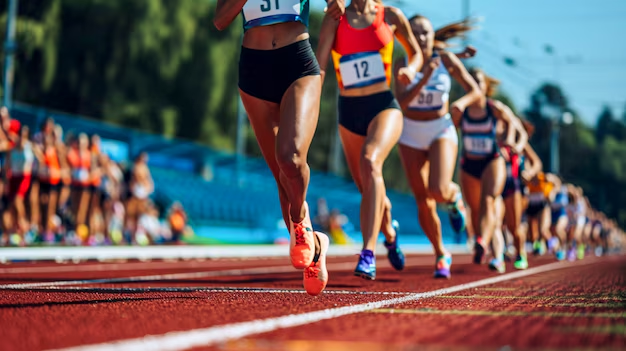
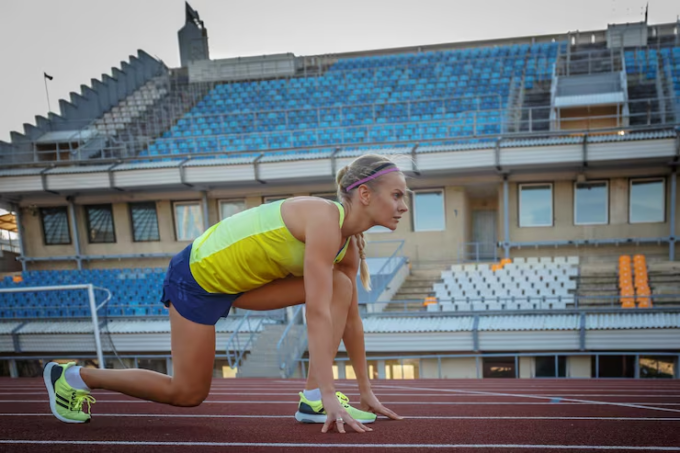
For Mo Farah, years of training unfolded in quiet loops around parks and tracks, long before crowds learned his name. Most days did not resemble celebration. They resembled repetition.
Morning runs.
Midday recovery.
Evening sessions.
The rhythm was ordinary.
The goal was not.
The Scale of Time
Olympic moments are brief.
Olympic life is extended.
Weeks become cycles.
Cycles become years.
Years become identity.
Athletes spend far more time preparing than performing. For every race Farah ran on the world stage, there were thousands of kilometers covered in isolation.
What viewers see is the endpoint.
What they miss is the accumulation.
Each medal represents:
- Early mornings repeated
- Evenings shortened
- Seasons organized around form
- Travel that replaces routine
Life becomes measured in phases rather than days.
The Narrowing of Choice
Olympic life reshapes everyday decisions.
Meals are timed.
Sleep is scheduled.
Social plans are filtered.
Spontaneity fades.
For Farah, training camps often replaced home. Altitude locations became temporary addresses. The world narrowed to routes, surfaces, and recovery windows.
This does not feel dramatic.
It feels structured.
What is given up is not announced.
It is absorbed.
Living Inside Cycles
Olympic years do not move evenly.
They rise toward selection.
They crest at competition.
They descend into recovery.
Then repeat.
Emotion becomes cyclical.
Hope concentrates.
Pressure builds.
Release follows.
Most of that cycle unfolds in privacy.
Athletes learn to exist between events.
To prepare without audience.
To reset without applause.
The visible moments are peaks.
The unseen life is plateau.
The Distance Between Effort and Recognition
Many Olympic efforts never reach television.
Heat races.
Qualifiers.
Trials.
Careers can unfold without medals.
Even champions experience long stretches without outcome.
Farah’s early years included finishes that did not make headlines. Development happened quietly. Recognition arrived later.
Olympic life does not guarantee visibility.
It guarantees commitment.
What Becomes Clear With Time
After competition ends, many athletes describe the same realization.
They miss not the podium.
They miss the structure.
The rhythm.
The certainty.
The direction.
Olympic life does not only produce results.
It organizes existence.
The world becomes simple:
Train.
Recover.
Repeat.
What people often miss is that the greatest change is not physical.
It is temporal.
Life becomes measured in preparation.
And that measurement lingers long after the stadium empties.
AI Insight: Over time, people tend to notice that Olympic life is defined less by moments of glory and more by the long stretches of routine that quietly shape everything around them.